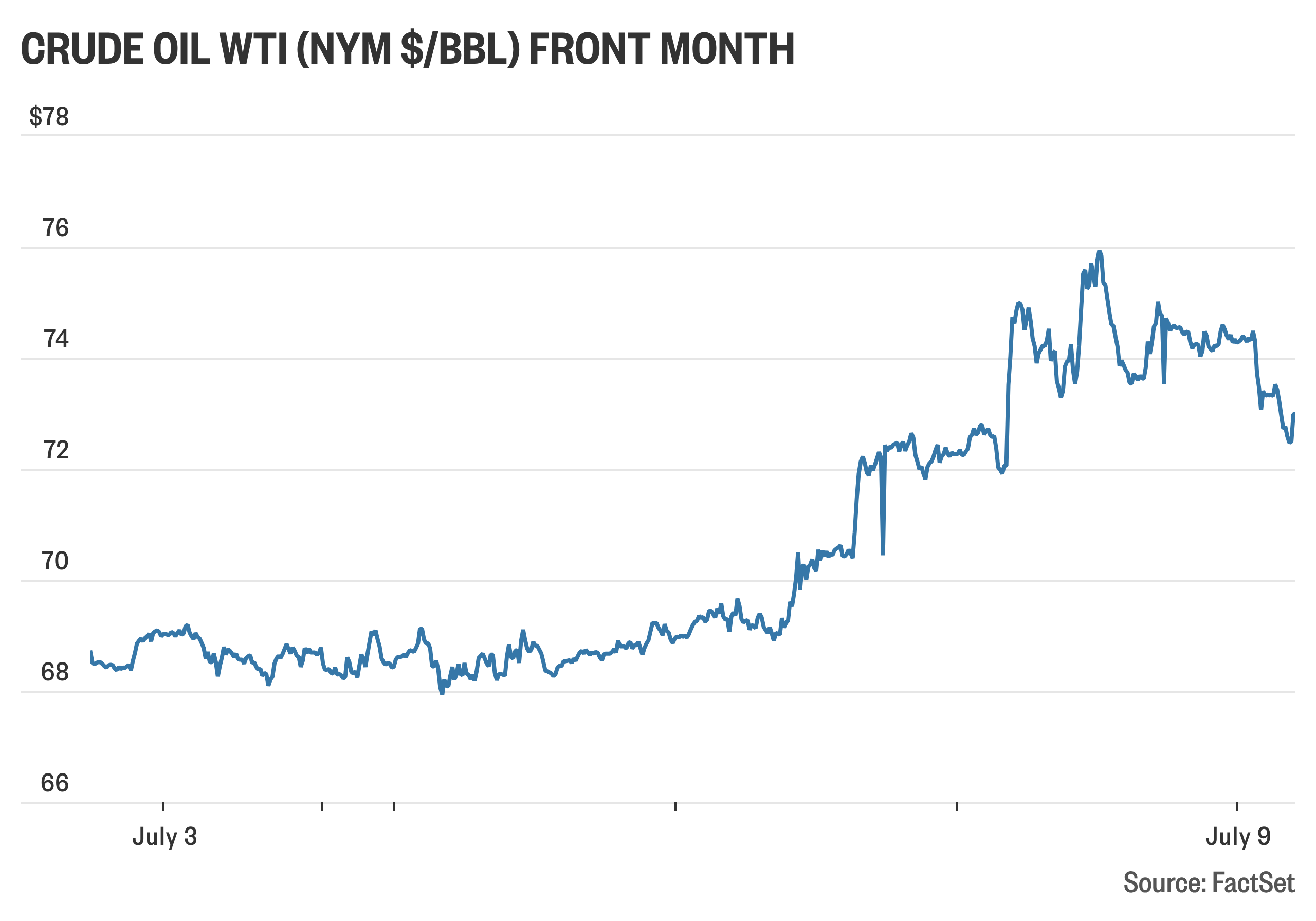
MarketWatch reported that oil prices eased after a sharp U.S.-Iran tension-driven spike, while broader markets continued to digest energy and bond-yield swings. In that kind of tape, the question for index-futures traders is often not whether to trade, but how small the exposure unit should be.
CME describes Micro E-mini futures and options as smaller contracts that give traders access to major equity-index futures with lower capital requirements and more precise exposure management. CME’s education material notes that Micro E-mini contracts are one-tenth the size of their E-mini counterparts, making them useful when a full E-mini contract is too large for the intended stop distance.
The risk-management advantage is arithmetic. If volatility expands, a trader can reduce contract count, use micros to scale in or out, and keep a stop at a technically meaningful level instead of tightening it only because the contract size is too large. Smaller contracts do not remove risk, but they make position sizing less binary.
A practical workflow starts with the maximum account risk, the index level, the contract multiplier, the stop distance and current volatility. Then choose the contract that fits the risk budget. If a planned stop requires a position size smaller than one E-mini, Micro E-minis may be the cleaner instrument. Traders should still watch liquidity, commissions, margin requirements and overnight event risk.
Sources: MarketWatch oil-price update; CME Micro E-mini futures and options; CME Micro E-mini product overview.
Risk notice: Futures can produce losses larger than expected when markets gap or liquidity thins. This article is educational and not a recommendation to trade futures.
原创文章,作者:financial transaction,如若转载,请注明出处:https://www.fanbi.net/archives/1869