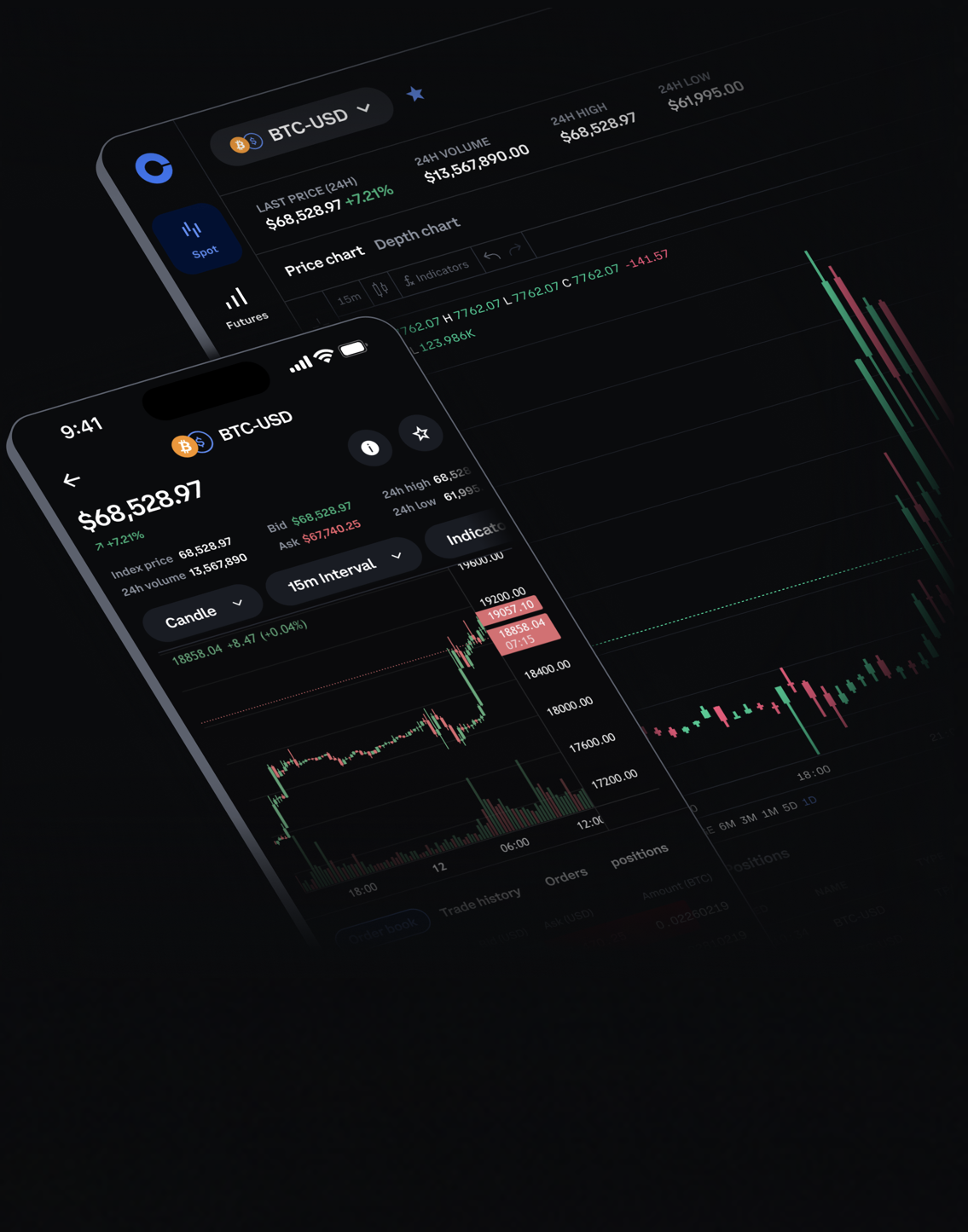
Many beginner crypto traders treat the order ticket as a buy-or-sell button. That is expensive during volatile sessions. Coinbase’s Advanced Trade documentation separates market orders, limit orders, stop-limit orders, bracket orders and TWAP orders, and the differences are not cosmetic. Each order type answers a different execution problem.
A market order is simple and fast, but it takes available liquidity and can fill at several prices. Coinbase says market orders on non-stable pairs use a market-protection point, but that protection should not be mistaken for a guaranteed price. Thin books, news shocks and wide spreads can still create poor fills.
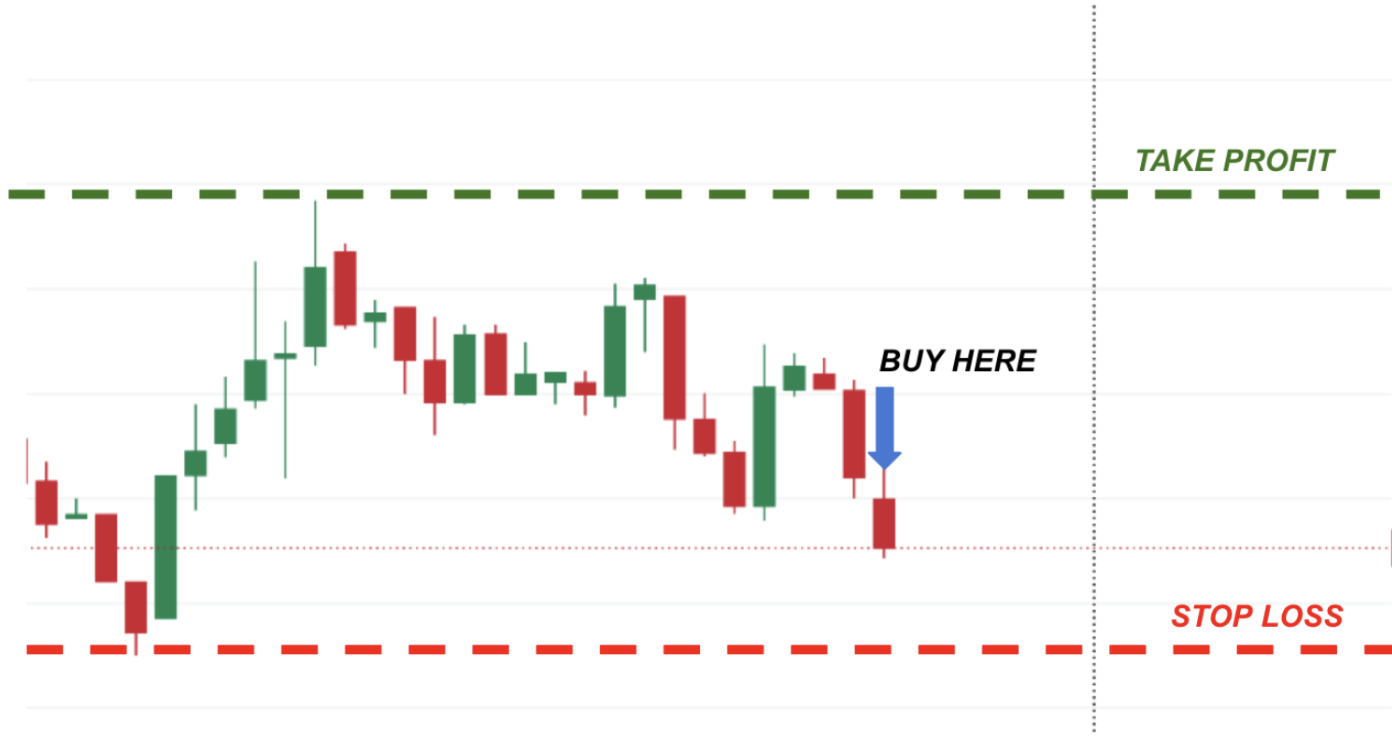
A limit order gives price control, but it may not fill. A stop-limit order adds a trigger price and a limit price, which can help define risk but can also fail to execute if the market gaps through the limit. A bracket order is useful when a trader already knows both the desired profit-taking area and the invalidation area. TWAP is more appropriate when the order size is large enough that entering all at once could move the book.
The practical workflow is to decide the problem before choosing the button. Need immediate exposure with small size and deep liquidity? Market may be acceptable. Need price discipline? Limit. Need a planned exit? Bracket or stop-limit. Need to reduce market impact? TWAP. Always check pair liquidity, spread, order minimums, fees and whether the order type is available in your region.
Sources: Coinbase Help order types; Coinbase Advanced Trade product page.
Risk notice: This article is for platform education only. It is not investment advice. Order controls can reduce execution risk, but they cannot remove volatility, gap or liquidity risk.
原创文章,作者:financial transaction,如若转载,请注明出处:https://www.fanbi.net/archives/1833