
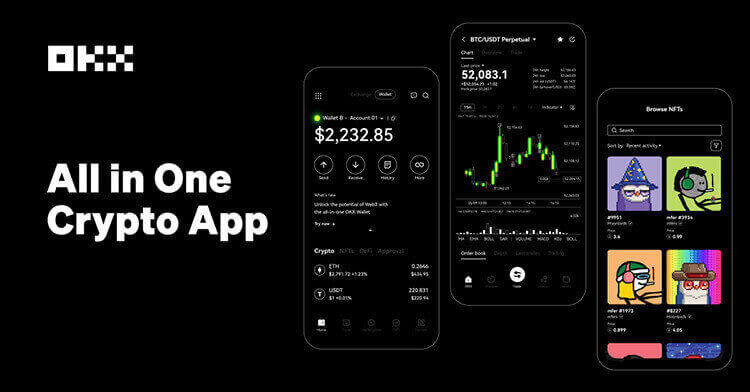
OKX’s help center explains that futures users can choose cross margin or isolated margin. In cross mode, products settled in the same crypto can share total margin and offset profit and loss; in isolated mode, the risk and PnL of each position are separated. OKX’s app and web guide also shows traders selecting the mode inside the trading interface before setting leverage and placing an order.
A useful checklist starts before the order ticket. First decide whether the trade is a portfolio hedge or a standalone idea. Cross margin can be efficient for hedged portfolios but can also let one losing position consume collateral intended for other trades. Isolated margin is cleaner for a single directional setup because the maximum at-risk collateral is easier to see.
Second, set leverage after the invalidation level, not before it. If the stop would be so close that normal volatility can hit it, the position is probably too large. Third, confirm whether take-profit, stop-loss and reduce-only behavior match the platform’s order rules. A futures entry without an exit workflow is not a plan; it is just exposure.
Sources: OKX cross and isolated mode guide; OKX futures cross-margin rules.
Risk notice: This article is for market observation and trading education only. It is not investment advice. Crypto, equities, futures and prediction markets can move quickly, and leverage can magnify losses.
原创文章,作者:financial transaction,如若转载,请注明出处:https://www.fanbi.net/archives/1367

