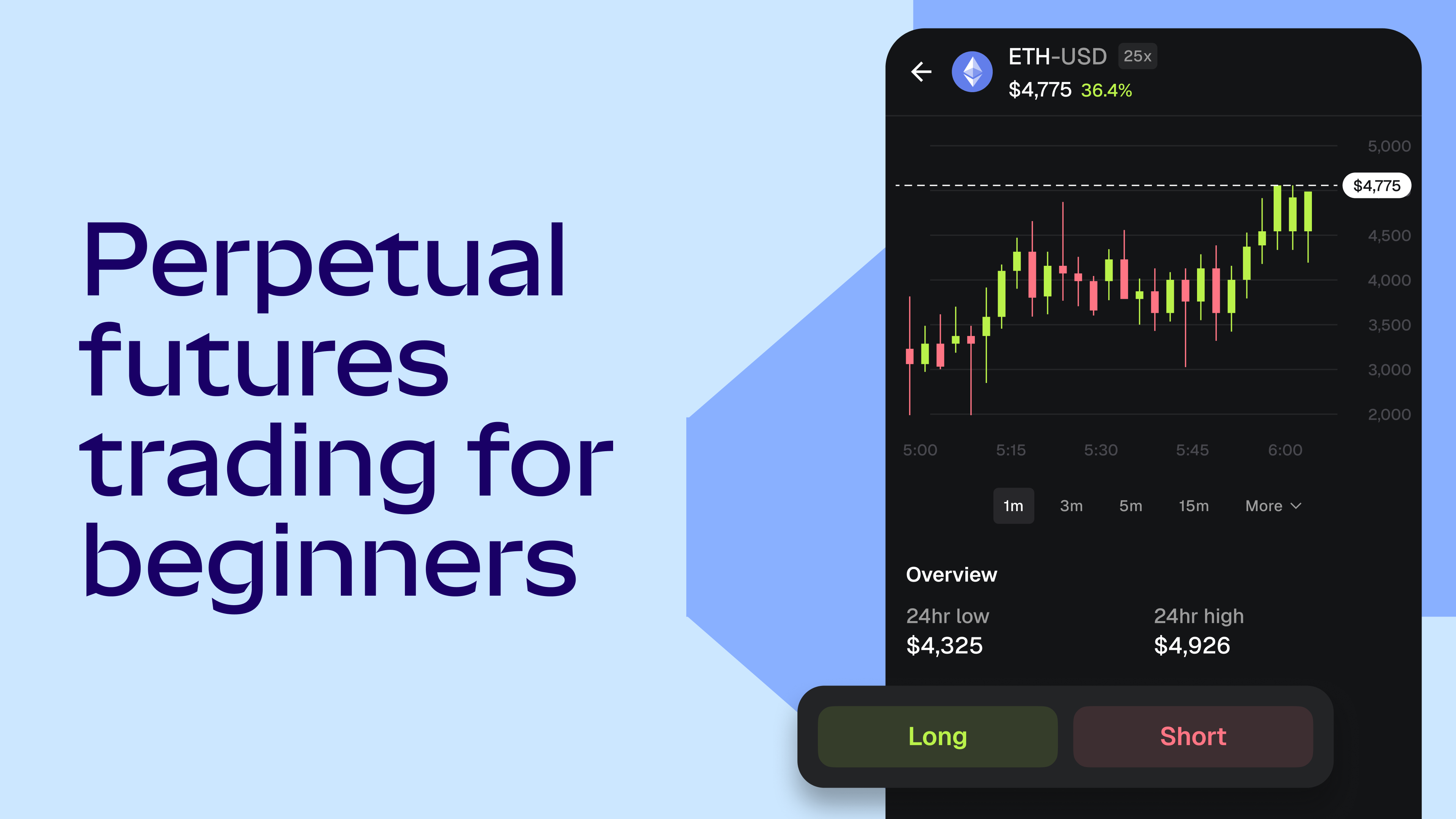

Perpetual futures are popular because they let traders express long or short views without an expiry date, but that convenience adds liquidation risk. MetaMask’s beginner guide explains the basic structure of crypto perps, while Kraken’s margin documentation shows why margin levels, collateral value and liquidation thresholds must be monitored before a leveraged position is opened.
The first calculation is the liquidation buffer: how far price can move against the trade before forced risk controls become likely. A trader should compare that distance with the asset’s normal intraday range, recent wick size, and planned stop level. If the stop sits too close to the liquidation zone, the trade is not really controlled by the trader; it is controlled by the exchange’s liquidation engine.
The second calculation is execution quality. A market order uses liquidity already resting in the order book, so thin depth can create a worse entry and a narrower liquidation buffer than expected. Before opening a perp, check order-book depth, reduce leverage, keep excess collateral, avoid using all available margin, and define an exit order before volatility arrives.
Sources: MetaMask perpetual futures beginner guide; Kraken margin call and liquidation level guide; Binance Academy market order explainer.
Risk notice: This article is for market observation and trading education only. It is not personalized investment advice. Crypto, stocks, futures and leveraged products can produce large losses.
原创文章,作者:financial transaction,如若转载,请注明出处:https://www.fanbi.net/archives/1722