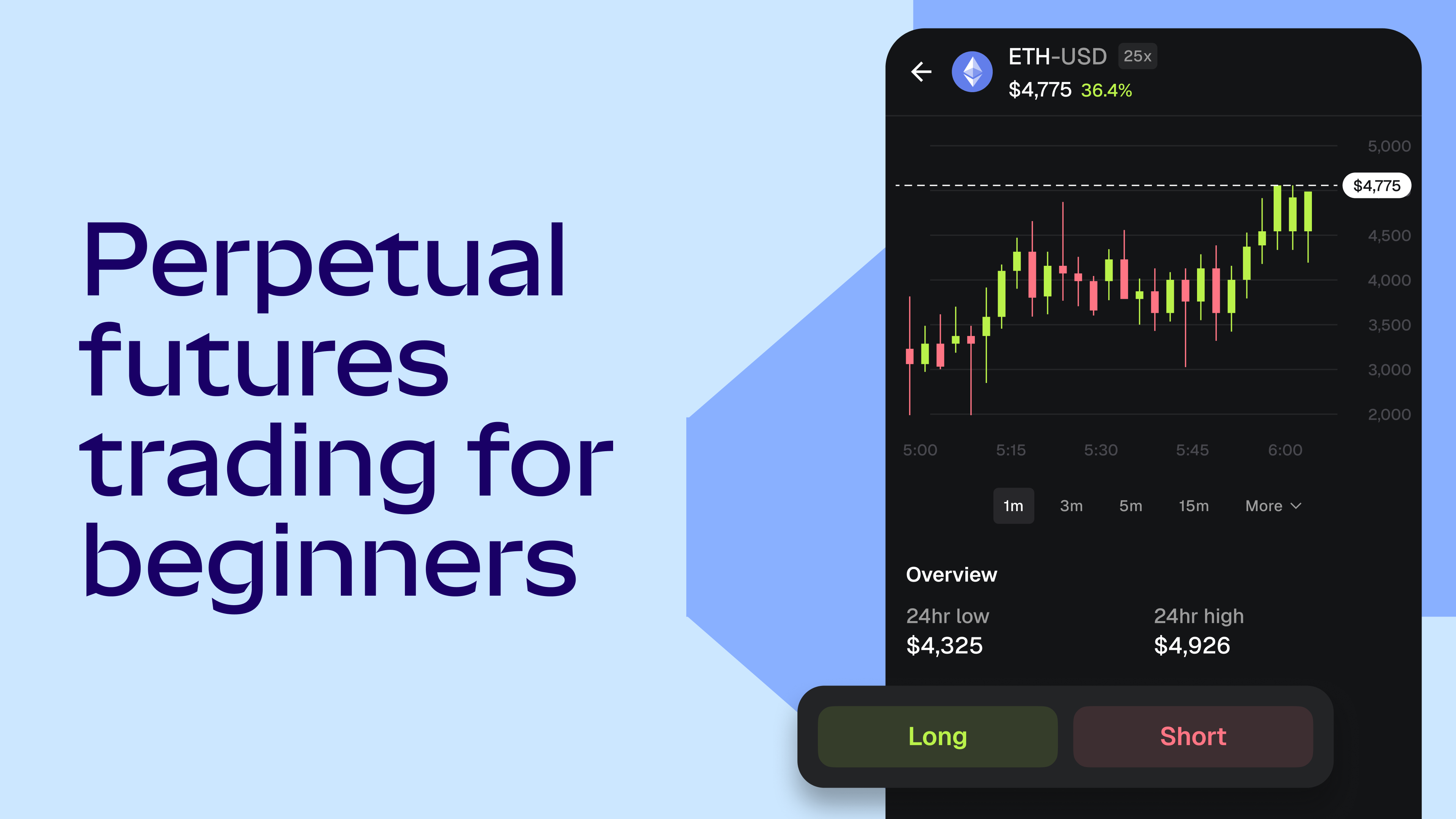
Many new traders approach perpetual futures as a faster version of spot trading. That is a mistake. MetaMask?s beginner guide emphasizes that perpetual futures have no expiry date and use funding payments to keep the contract price close to the underlying market. Kraken?s futures guide also stresses that understanding product mechanics and risk is necessary before adding futures to a trading plan.
The first pre-trade check is funding. If longs are paying shorts, a long trade must overcome both price risk and recurring funding cost. If shorts are paying longs, the market may already be crowded on the downside. Funding is not a standalone signal, but it tells traders whether the trade is starting with a carry headwind or tailwind.
The second check is collateral and margin. A trader should know whether the platform uses isolated or cross margin, what asset is posted as collateral, and how unrealized losses affect available balance. Cross margin can reduce the chance of immediate liquidation on one position, but it can also put more of the account at risk if several trades move together.
The third check is order type. Market orders prioritize execution but can suffer slippage; limit orders control price but may not fill; stop orders can protect downside but may trigger during volatility. A beginner should write down the entry, invalidation level, maximum account loss and exit plan before placing the order. If that plan is unclear, staying in spot markets is often the cleaner choice.
Sources: MetaMask perpetual futures beginner guide; Kraken crypto futures guide; Coinbase liquidation-risk guide.
Risk notice: Futures and perpetual swaps are complex leveraged products. This article is educational and does not recommend opening any specific trade.
原创文章,作者:financial transaction,如若转载,请注明出处:https://www.fanbi.net/archives/1380