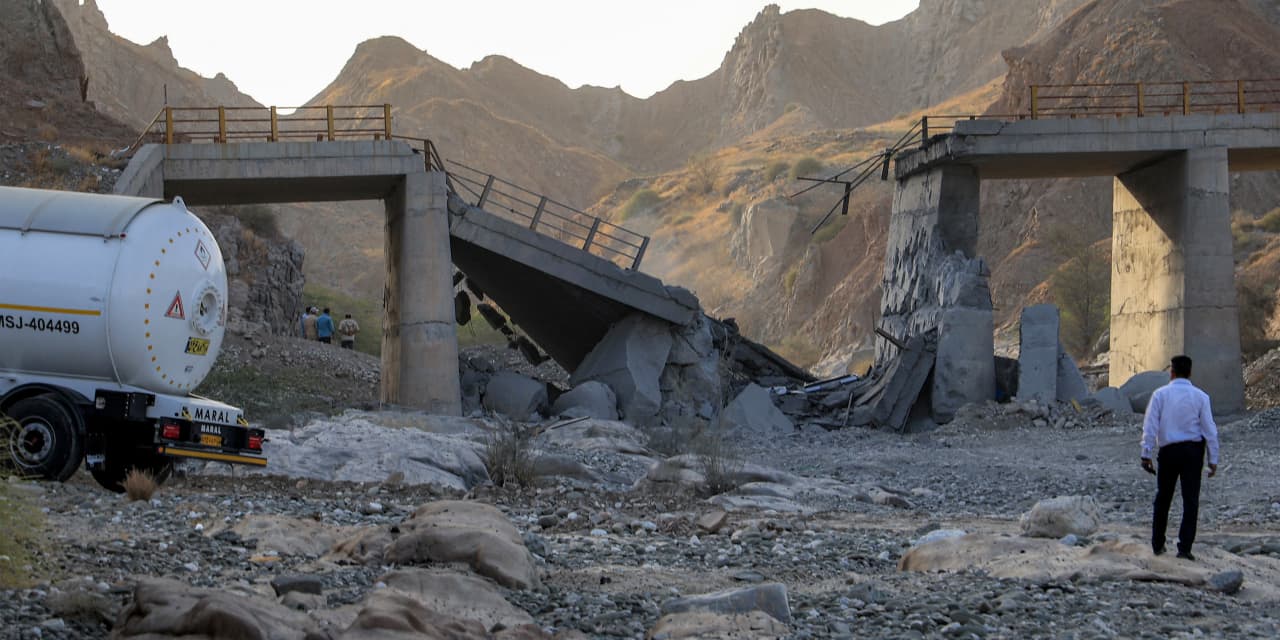
MarketWatch reported on July 20 that oil prices rose while U.S. stock futures were broadly flat as U.S.-Iran fighting intensified. The same update noted Brent above 90 dollars and WTI above 84 dollars, keeping energy risk at the center of the macro tape.
For traders, the first issue is not whether crude immediately goes to a round number. Oil shocks can travel through inflation expectations, Treasury yields, gasoline-sensitive consumer stocks, airlines, transport shares and index futures. That means an energy trade can become a broader portfolio-risk problem even for someone who never trades crude directly.
Futures traders should translate the headline into a volatility budget. CME crude contracts have fixed tick values, and a wider overnight range can make a normally acceptable position too large. If the thesis depends on geopolitical news, stops also need room for gaps and fast reversals rather than only neat intraday levels.
A practical approach is to separate confirmed facts from interpretation: price has moved, the catalyst is geopolitical risk, and the market is still deciding whether the inflation channel is temporary or persistent. Position size should be set before that debate is resolved, not after losses expand.
Sources: MarketWatch oil and stock-futures report; Investing.com WTI futures data; CME WTI crude oil futures. Risk notice: Futures involve leverage and may lose more than expected during gaps; this article is educational only.
原创文章,作者:financial transaction,如若转载,请注明出处:https://www.fanbi.net/archives/3917