
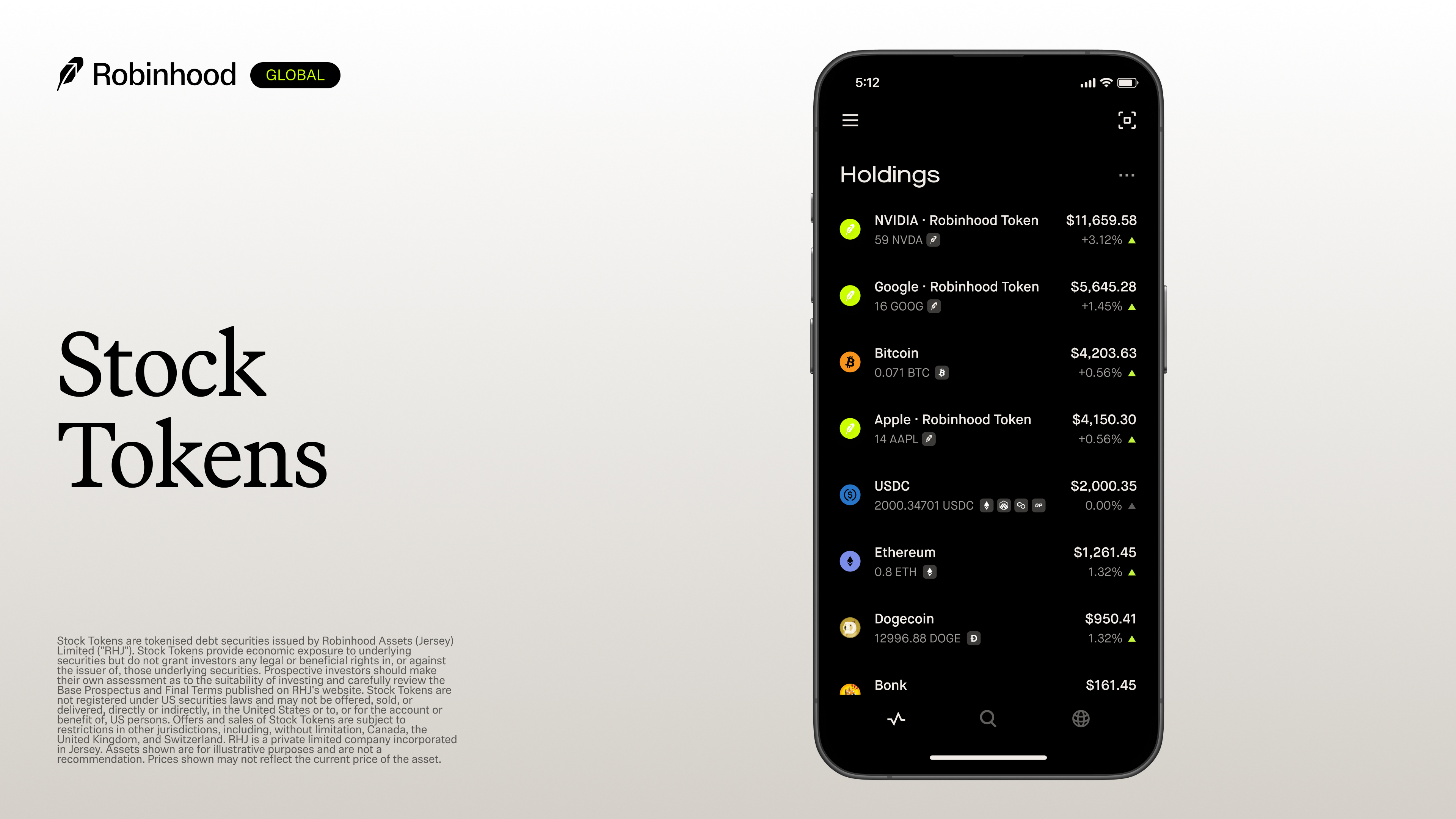
Robinhood’s July 1 announcement is bigger than a new screen inside a brokerage app. The company said Robinhood Chain is live as a public Layer 2 built with the Arbitrum platform, with stock tokens available through Robinhood Wallet in more than 120 countries where eligible. The same announcement described integrations with DeFi venues and infrastructure providers.
The trading angle is that tokenized equities blur three workflows: traditional stock exposure, crypto wallet custody and decentralized exchange liquidity. A token may reference a stock price, but that does not automatically mean the holder has the same legal rights, voting rights, settlement process or investor protections as a shareholder in the underlying public company.
For active traders, the main checklist is product design. Ask what entity issues the token, what asset or contract backs it, where it can be redeemed, which market makers provide liquidity, how spreads behave outside regular U.S. equity hours, and what happens during corporate actions such as splits, dividends or trading halts.
Robinhood’s move also matters for crypto tokens beyond its own ecosystem. If a large brokerage brings tokenized equities onto an L2 with DeFi integrations, liquidity may shift toward wallets and venues that can combine stocks, stablecoins and crypto collateral. The confirmation signal is not only app downloads, but sustained volume, tight spreads and transparent redemption terms.
Risk notice: stock tokens, DeFi products and L2 networks can carry issuer, smart-contract, liquidity and jurisdiction risks. This article is for education and is not a recommendation to trade any product.
Sources
- Robinhood newsroom announcement on Robinhood Chain and stock tokens
- Robinhood earlier stock-token and Layer 2 expansion announcement
- The Block homepage market context for crypto prices
原创文章,作者:financial transaction,如若转载,请注明出处:https://www.fanbi.net/archives/3578