:max_bytes(150000):strip_icc()/GettyImages-2285358499-a808a2a5c1da4093858ec70d5f4a5997.jpg)
U.S. index futures traders are dealing with a crowded macro tape: June CPI, Fed Chair Kevin Warsh’s first semiannual testimony, major bank earnings and fresh oil-price pressure. Investopedia’s July 14 premarket checklist said futures were mixed, big banks had started reporting, oil was near one-month highs and the 10-year Treasury yield was holding around 4.62%.
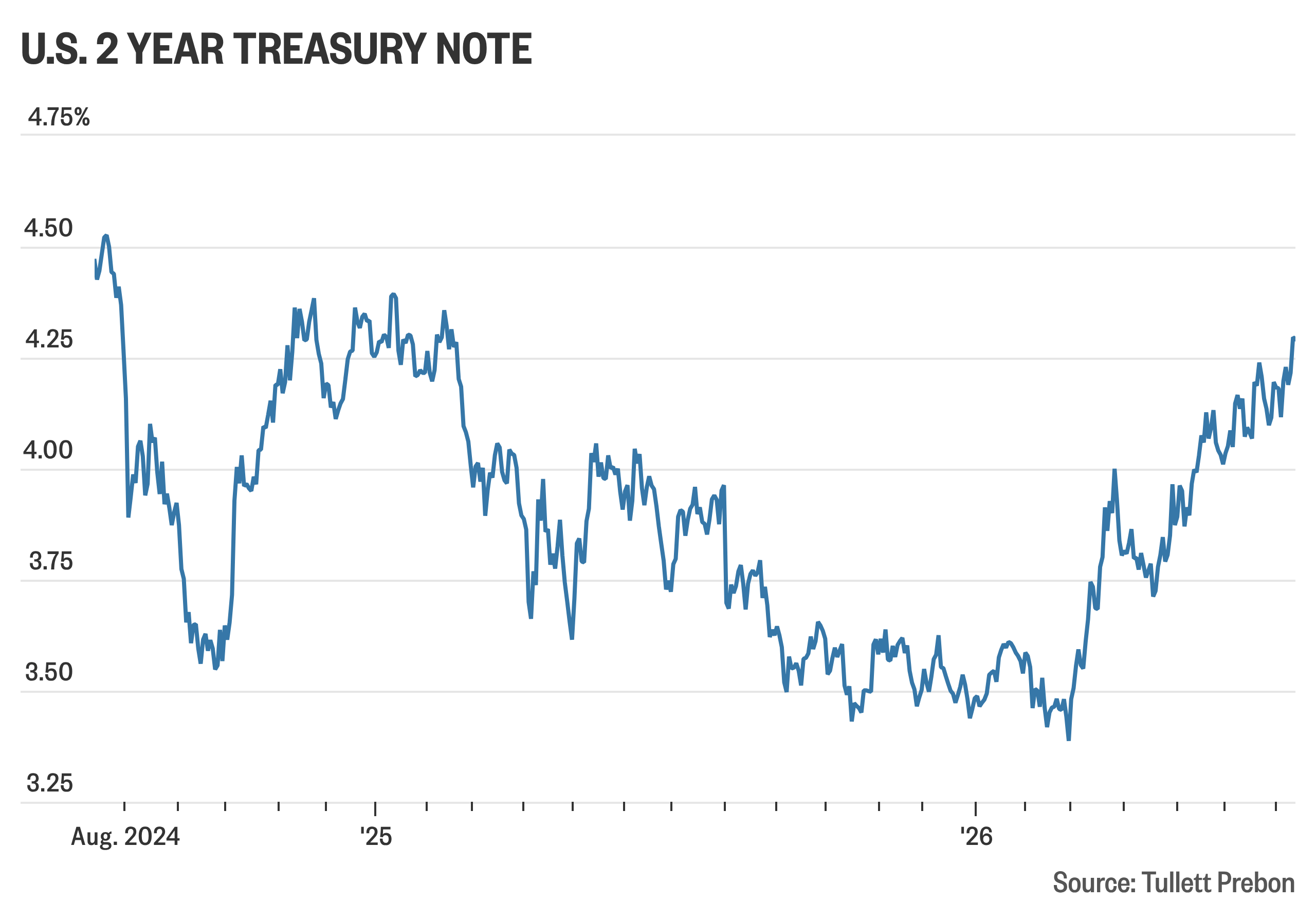
The sharper signal sits at the front end of the curve. MarketWatch reported that the two-year Treasury yield edged to 4.630%, its highest level since February 2025, as oil and hawkish Fed commentary lifted concerns that inflation could stay sticky. Because the two-year note is highly sensitive to policy expectations, it often moves faster than stock-index narratives.
For S&P 500, Nasdaq and Russell futures traders, that means the trade is less about one earnings headline and more about rate sensitivity. A stronger bank result may not support the index if higher yields compress equity multiples. A tech rebound may fail if traders decide inflation risk reduces the room for rate cuts. Commodity moves matter because oil can change the inflation path even after a backward-looking CPI print looks softer.
The disciplined approach is to map scenarios before the data: lower CPI plus calmer Warsh testimony favors reduced gap risk; sticky CPI plus higher oil keeps pressure on long-duration tech; strong bank earnings with rising yields may help financials but still hurt broad index breadth. Position size should reflect the fact that futures react before cash-market investors finish reading the release.
Risk notice: This article is for market observation and trading education only. Futures, rates, earnings and inflation data can create rapid losses, especially around scheduled releases.
Sources: MarketWatch two-year Treasury yield update; Investopedia July 14 market checklist.
原创文章,作者:financial transaction,如若转载,请注明出处:https://www.fanbi.net/archives/3458