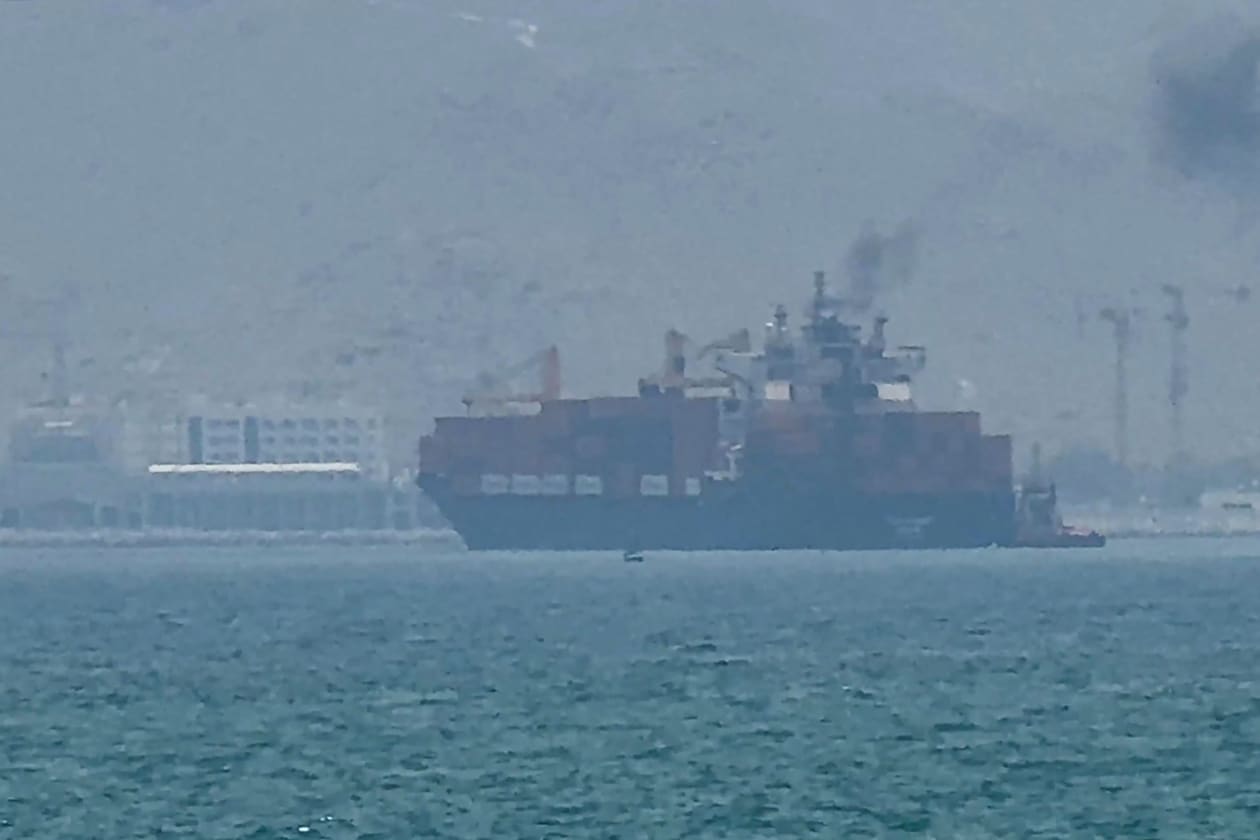
Oil moved back to the center of the trader dashboard after renewed U.S.-Iran tension around the Strait of Hormuz pushed crude higher while Dow, S&P 500 and Nasdaq-100 futures softened. MarketWatch reported WTI trading around the low-$70s and Brent near the upper-$70s as traders weighed the risk of shipping disruption against the view that the conflict may remain contained.
The important trading point is not simply that oil rose. It is that energy volatility arrives in the same week as U.S. CPI, PPI, retail sales and a heavy bank-earnings calendar. If crude keeps rising into the inflation data, rates and equity-index futures can react even if company earnings look solid. If oil fades quickly, attention may rotate back to AI capital spending, bank credit quality and index breadth.
CME WTI futures quotes also matter because the curve tells traders whether the market is pricing a short-lived headline shock or a more persistent supply premium. A front-month spike without broader curve follow-through is different from a move that lifts later contracts and options volatility together.
For index-futures traders, the practical plan is to separate three signals: oil direction, rates reaction after CPI, and whether bank earnings broaden or narrow market leadership. Chasing the first candle after a geopolitical headline is usually weaker than defining invalidation levels before the data calendar begins.
Sources: MarketWatch oil and futures report; CME WTI crude futures quotes; Nasdaq earnings calendar.
Risk notice: This article is for market observation and trading education only. It is not personalized investment advice. Futures, stocks, commodities and crypto can move sharply around news and economic releases.
原创文章,作者:financial transaction,如若转载,请注明出处:https://www.fanbi.net/archives/2877