
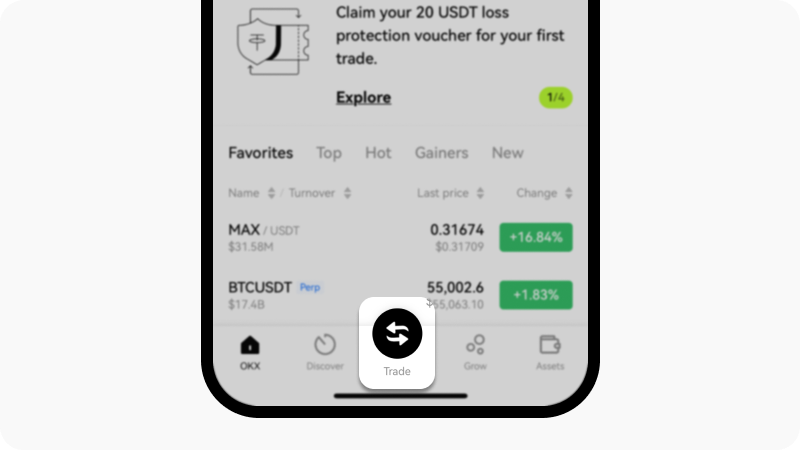
An iceberg order is designed for situations where the order itself becomes information. Binance explains that an iceberg splits a larger order into smaller displayed pieces, while OKX describes an iceberg bot workflow for entering trading bots and choosing iceberg mode. The shared purpose is simple: reduce market impact without turning every fill into a market order.
The tool is useful when a trader has a real size problem, not when the trade is merely inconvenient. If the book is thin, posting the full size can invite front-running or push the price away. By showing a smaller slice, the trader may reduce signaling. The trade-off is that the full order can still take time, partial fills may leave exposure unfinished, and the limit price may become stale.
A practical checklist is to define the total size, visible slice, limit price, maximum time in market and cancellation rule before pressing submit. For futures, add a margin check and liquidation buffer. For spot, check whether fees and repeated partial fills make the intended average price unrealistic.
Sources: Binance iceberg order FAQ, OKX iceberg trading bot guide, Kraken iceberg order support page.
Risk notice: Execution tools do not remove market risk, slippage or liquidity risk. This article is educational and does not provide personalized trading instructions.
原创文章,作者:financial transaction,如若转载,请注明出处:https://www.fanbi.net/archives/2639

