

Many traders wait until tax season or a support dispute before downloading exchange records. That is the wrong timing. Account history is most useful when it is exported regularly, while deposits, withdrawals, conversions, funding fees and trades are still easy to reconcile.
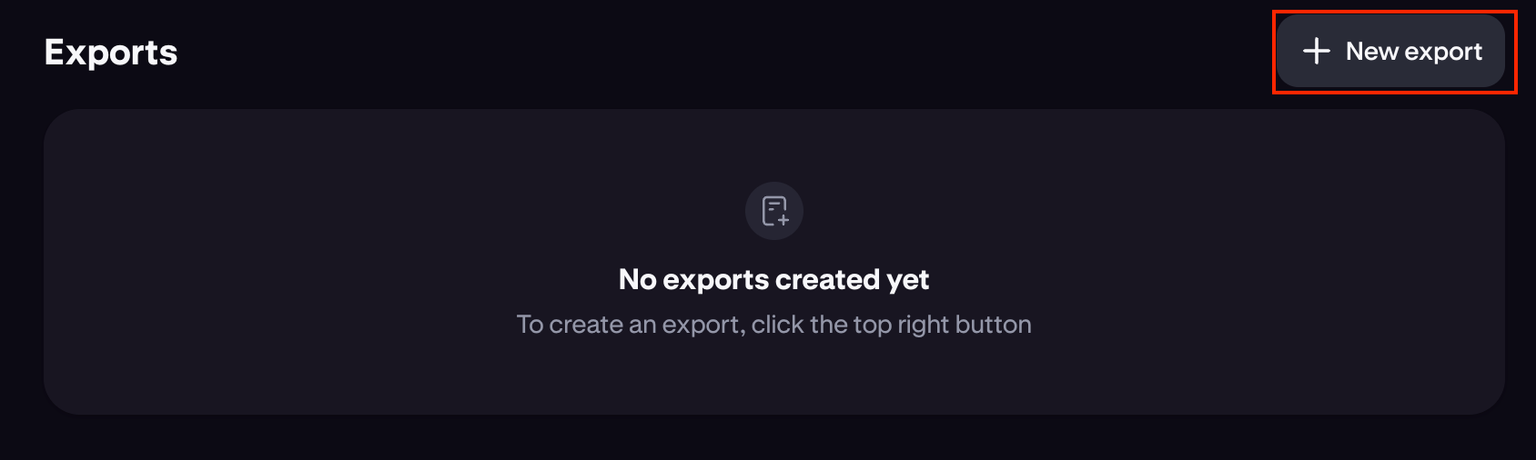
Binance’s support documentation explains how users can export transaction records from asset history and choose a time range. Kraken’s support documentation describes document-center exports, including account statements and trade reports. Binance.US also documents downloadable transaction-history and tax-report workflows. The exact menu names differ, but the control principle is the same: keep your own copy of the ledger.
A practical monthly routine is to export spot trades, deposits, withdrawals, conversions, staking or earn activity, and futures funding or realized PnL where relevant. Save the original files, avoid editing the raw CSV, and keep a separate working copy for analysis. Traders using multiple exchanges should align time zones before calculating performance.
Good records reduce three common mistakes: double-counting transfers as profit, ignoring fees and funding, and losing the cost basis after moving assets between wallets. The export habit is boring, but it is a risk-control tool.
Risk notice: This article is operational education, not tax, legal or investment advice. Tax rules differ by jurisdiction; consult a qualified professional for reporting decisions.
Sources: Binance transaction-history export guide; Kraken account-history export guide; Binance.US transaction-history and tax-report guide.
原创文章,作者:financial transaction,如若转载,请注明出处:https://www.fanbi.net/archives/2143

:max_bytes(150000):strip_icc()/GettyImages-2285358502-e9dba708677642afa05e8db1dc3c42c2.jpg)