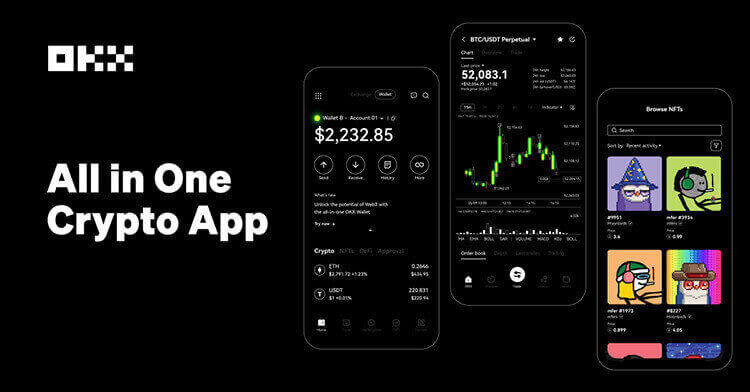
OKX describes commodity perpetuals as swap contracts that track traditional commodities such as crude oil, gold, silver and copper without requiring physical delivery or a conventional futures account. That makes them attractive to crypto-native traders who already understand margin, mark price and funding, but want exposure to macro assets during volatile sessions.
The product is not the same as holding a CME futures contract or a spot commodity ETF. A perpetual has no expiry date and normally uses funding payments to keep the contract near its reference price. That means the trader’s result depends on direction, leverage, spread, funding and the quality of the reference index.
In the current market setup, oil and gold are not just commodities; they are macro-risk gauges. Oil spikes can feed inflation and rate concerns, while gold can move with real yields, the dollar and haven demand. A crypto trader using commodity perps should therefore watch the underlying futures market, not only the perp chart inside the exchange app.
A practical workflow is to treat commodity perps as tactical instruments: check the funding rate, avoid oversized leverage around settlement or news windows, compare the perp with the underlying commodity move, and define an exit before entering. If the goal is longer-term allocation, a regulated futures or ETF route may be more transparent than a high-leverage perpetual.
Sources: OKX commodity perpetuals help page; MarketWatch gold and dollar coverage; CME WTI crude oil futures product page.
Risk notice: Commodity perpetuals can combine commodity volatility, leverage, funding costs and exchange-specific contract risk. This is education only, not a recommendation to trade commodity derivatives.
原创文章,作者:financial transaction,如若转载,请注明出处:https://www.fanbi.net/archives/2035