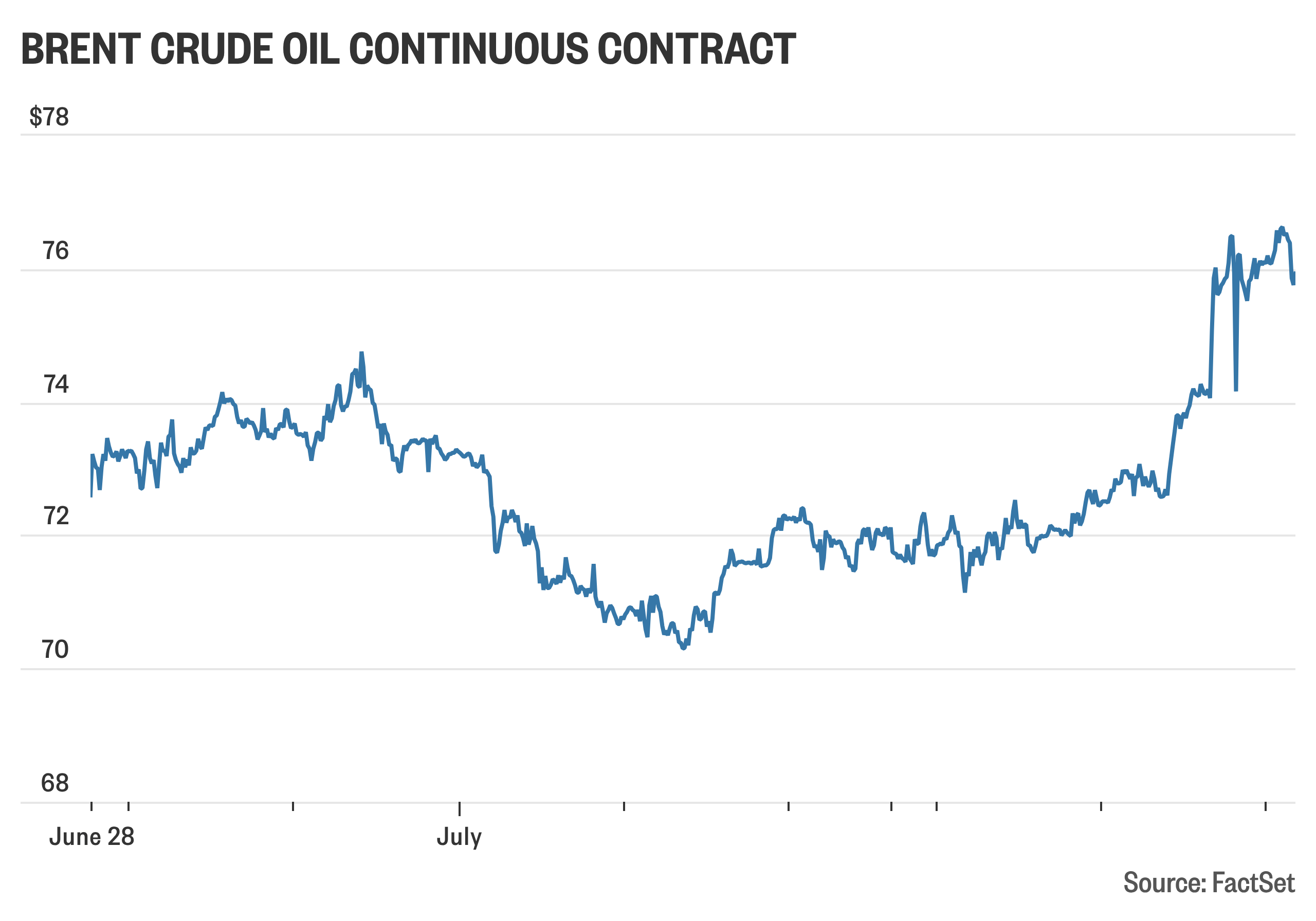
Oil prices moved to a two-week high after renewed U.S.-Iran tension, according to MarketWatch live coverage. The trading issue is broader than crude itself: when Brent and WTI jump on geopolitical risk, index-futures traders have to reassess inflation expectations, airline and consumer margins, energy earnings, Treasury yields and central-bank reaction functions at the same time.
That creates a difficult setup for S&P 500, Nasdaq and Russell futures. A first headline can push equities lower and oil higher, but the second move often depends on whether shipping risk, sanctions language and central-bank pricing actually change. If oil holds the move while yields rise, duration-heavy technology shares may stay under pressure. If oil fades and yields stabilize, dip buyers may treat the shock as headline volatility rather than a new macro regime.
For risk control, traders should avoid sizing positions only from the first futures candle. A practical dashboard is crude futures, the dollar, two-year and ten-year Treasury yields, inflation breakevens, energy-sector relative strength and market breadth. If those signals disagree, conviction should be smaller.
Sources: MarketWatch on oil hitting a two-week high; The Guardian live markets coverage of oil and equities; CME WTI crude oil futures product page.
Risk notice: This article is educational commentary, not investment advice. Futures and leveraged products can produce losses larger than expected during fast geopolitical headlines.
原创文章,作者:financial transaction,如若转载,请注明出处:https://www.fanbi.net/archives/1670