
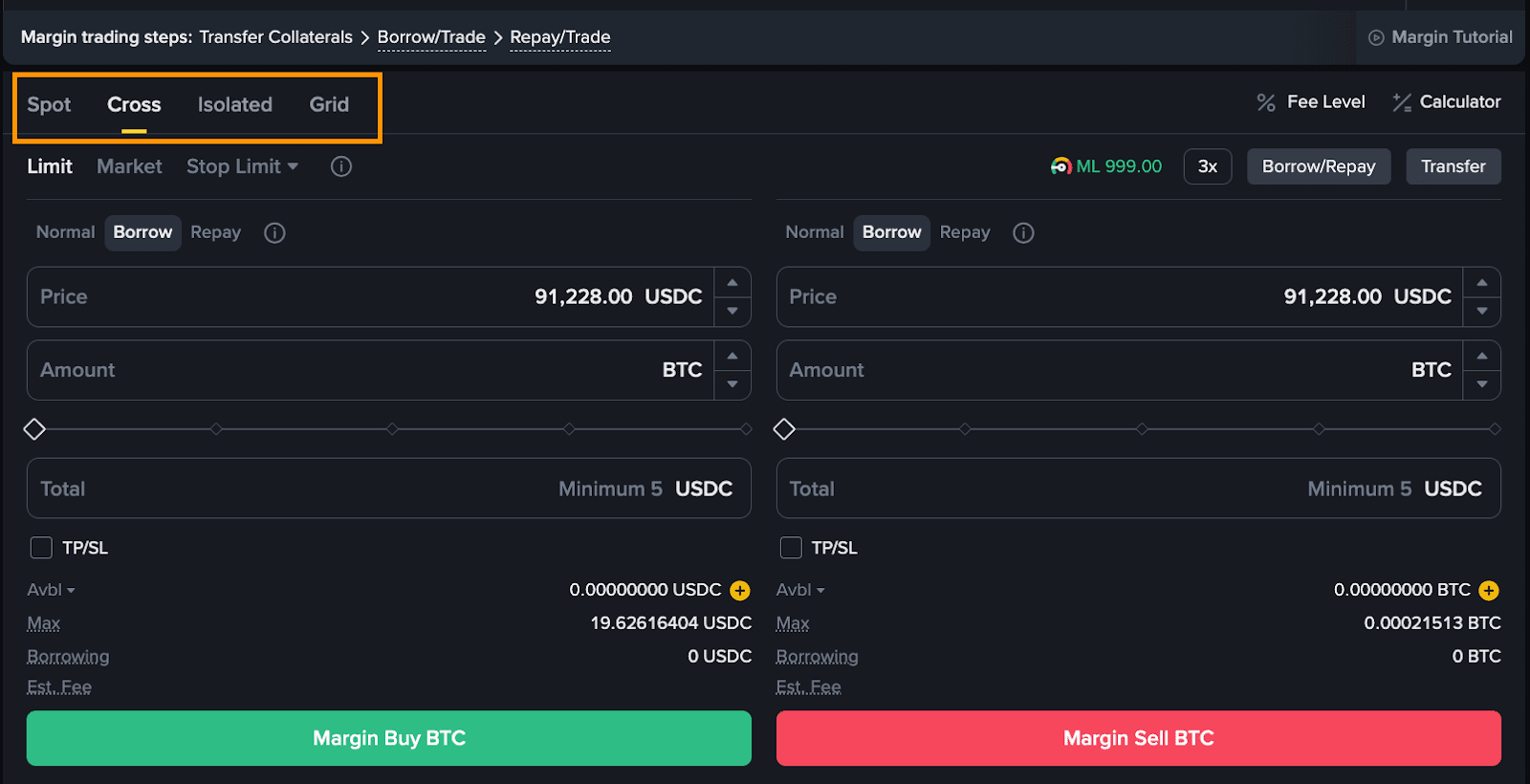
Many beginners treat cross margin and isolated margin as a small button in the exchange interface. It is actually one of the most important risk decisions in leveraged crypto trading. Binance’s margin guide says isolated margin keeps each trading pair independent, while cross margin shares collateral across the cross-margin account.
In isolated margin, a trader allocates a specific amount of collateral to one position or pair. If that trade goes wrong, the loss is largely contained within the isolated account, although the position can still be liquidated. This mode is useful when testing a single idea, trading volatile altcoins, or limiting the damage from a high-risk setup.
In cross margin, the account balance supports multiple positions together. That can reduce the chance that one position is liquidated early, but it also means one losing trade can drain collateral that was meant to support other positions. Cross margin fits traders who actively monitor portfolio-level exposure and understand correlation across coins.
A practical rule: use isolated margin when the trade thesis is narrow, leverage is high, or the asset is volatile. Consider cross margin only when the positions are hedged, the account has excess collateral, and the trader is watching margin level, borrow interest and liquidation prices. In either mode, leverage size matters more than the label.
Sources: Binance cross versus isolated margin guide; Binance futures grid margin-mode guide.
Risk notice: This article is educational only. Margin and futures trading can lead to liquidation and losses greater than expected; always understand platform rules before using leverage.
原创文章,作者:financial transaction,如若转载,请注明出处:https://www.fanbi.net/archives/1278

