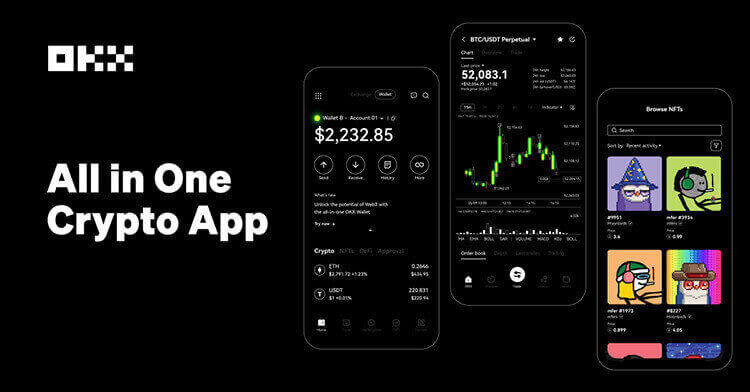
OKX recently updated its help-center page on placing trailing stop orders. The app workflow is straightforward: open the OKX app, choose Trade and Futures, go to the position, select TP or SL, choose Trailing stop, then set either a percentage or constant variance along with amount and optional activation price.
That checklist is useful, but the trading decision happens before the button is tapped. A trailing stop follows the market only after the conditions are met, so it can protect part of a favorable move while still giving the position room to breathe. It cannot fix an oversized position, a weak entry or a market that gaps through the trigger zone.
The two settings traders should think about most are variance and activation price. A very tight variance may close the position on normal noise, especially in crypto futures. A very wide variance may protect too little. The activation price can help avoid enabling the trailing logic before the trade has moved enough to justify it.
A practical OKX workflow is to decide the maximum account loss first, then choose leverage, then place the trade, and only then configure the trailing stop. If the trailing stop is being used because the trader does not know where the original trade idea is wrong, the tool is being asked to solve the wrong problem.
Risk notice: Trailing stops may not execute at the expected price in fast markets, and futures leverage can amplify losses. This article is an educational platform guide, not official customer support or investment advice.
Sources: OKX help: how to place a trailing stop order | OKX Learn: trailing stop orders
原创文章,作者:financial transaction,如若转载,请注明出处:https://www.fanbi.net/archives/3644