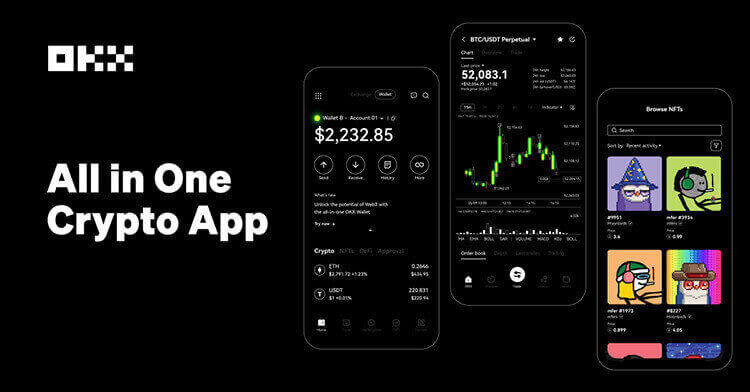

Automated trading risk often begins before the first order. OKX’s updated sub-account help page describes sub-accounts as secondary accounts linked to a main account and notes that they can be used to diversify strategies and reduce risk. Its managed sub-account page also emphasizes portfolio segmentation, risk management and the fact that withdrawals remain controlled from the main account.
That structure is useful because a bot, copy strategy or experimental futures system should not have access to the whole wallet. A simple setup is to keep long-term funds in the main account, allocate a defined budget to one sub-account, and separate spot, margin, futures and testing strategies instead of mixing them in one balance.
API keys need the same discipline. Binance Academy explains that API keys should be restricted to trusted IP addresses, and that IP restriction is required for withdrawal operations. Binance support also shows API creation and sub-account symbol-whitelist workflows. The practical principle is least privilege: only enable the permissions the tool truly needs, restrict the source IP where possible, and avoid withdrawal permission unless there is a specific operational reason.
Before funding a strategy, write down four rules: maximum balance assigned to the sub-account, products allowed, symbols allowed and emergency stop procedure. Then test order placement with the smallest practical size. If the exchange supports symbol whitelists or sub-account API limits, use them before volatility exposes a configuration mistake.
Risk notice: Bots and API keys can create rapid losses through bugs, wrong permissions, bad signals or market gaps. This article is education only and is not official exchange support or investment advice.
Sources: OKX sub-account help | OKX managed sub-account page | Binance Academy API key security | Binance API key creation guide
原创文章,作者:financial transaction,如若转载,请注明出处:https://www.fanbi.net/archives/3622