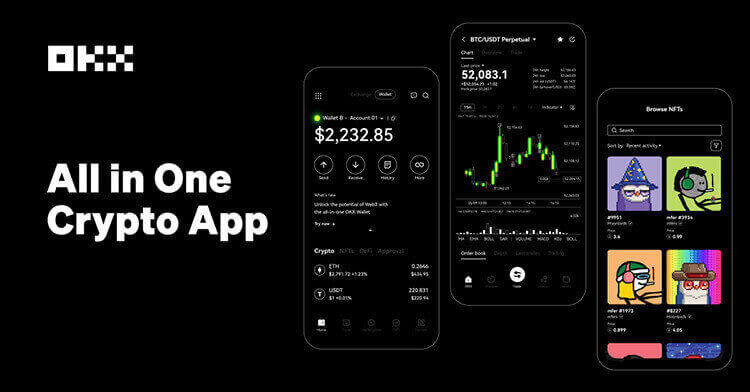
OKX describes spot grid tools as a way to place repeated buy and sell orders inside a defined range, while its futures grid FAQ explains that futures grids can run in long, short or neutral-style structures until the trader stops the bot or risk controls intervene. The key point is that automation does not remove market selection.
The first decision is the price band. A grid bot needs enough two-way movement inside the range to pay for fees and spread, but the range also needs a clear invalidation point. If price trends strongly outside the band, the bot can become a slow way to accumulate a losing spot position or a leveraged futures exposure.
The second decision is grid density. Too few grids can miss normal noise; too many grids can make each profit step too small after fees. Traders should compare estimated grid profit with maker and taker fees, expected slippage and funding costs for futures versions.
A simple pre-launch checklist is useful: choose spot or futures, set maximum capital at risk, define upper and lower bounds, estimate fees, decide whether to use leverage, set a stop condition, and write down when to pause the bot before major news or thin-liquidity periods.
Risk notice: This article is for market education only. Crypto, stocks, futures, options and leveraged products can lose value quickly. Use position limits, understand fees and liquidation rules, and do not treat any discussion here as personalized investment advice.
Sources
OKX Spot Grid and Smart Picks guide
原创文章,作者:financial transaction,如若转载,请注明出处:https://www.fanbi.net/archives/3498