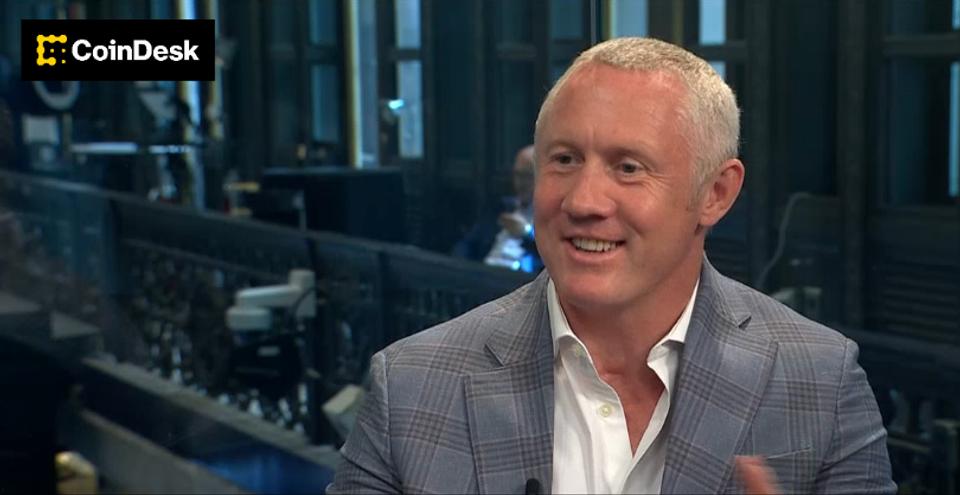
Binance.US is again trying to make itself part of the U.S. crypto trading conversation. CoinDesk reported that CEO Stephen Gregory said the exchange is rebuilding after two difficult regulatory years and is targeting a return toward the roughly 20% U.S. market share it once claimed. The pitch centers on lower fees, regulated products and a deeper liquidity base.
For active traders, the key issue is not whether a brand sounds familiar. A venue with low headline fees can still be expensive if spreads are wide, depth is thin or order execution is inconsistent during volatility. The practical checklist is simple: compare maker and taker fees, inspect order-book depth on your actual pairs, test small orders first, and keep records of fills versus expected prices.
The current macro backdrop also matters. CoinDesk’s market board showed major tokens under pressure as traders raised the odds of another U.S. rate hike before inflation data. When risk appetite weakens, smaller venues can see liquidity vanish faster than top-tier books. That makes stop placement, withdrawal reliability and stablecoin rails part of the exchange decision rather than separate back-office details.
Binance.US may benefit if it can combine low costs with credible U.S.-only governance and useful products. Traders should still separate a comeback narrative from verified execution quality. The stronger approach is to maintain more than one venue, avoid leaving excess idle balances on any exchange, and review liquidity again whenever volume, fees or regulation changes.
Sources: CoinDesk Binance.US interview coverage; CoinDesk market board; Binance.US order-types explainer.
Risk notice: This article is market education, not investment advice. Crypto exchanges, stablecoins and leveraged products can fail operationally or lose liquidity during stress.
原创文章,作者:financial transaction,如若转载,请注明出处:https://www.fanbi.net/archives/3401