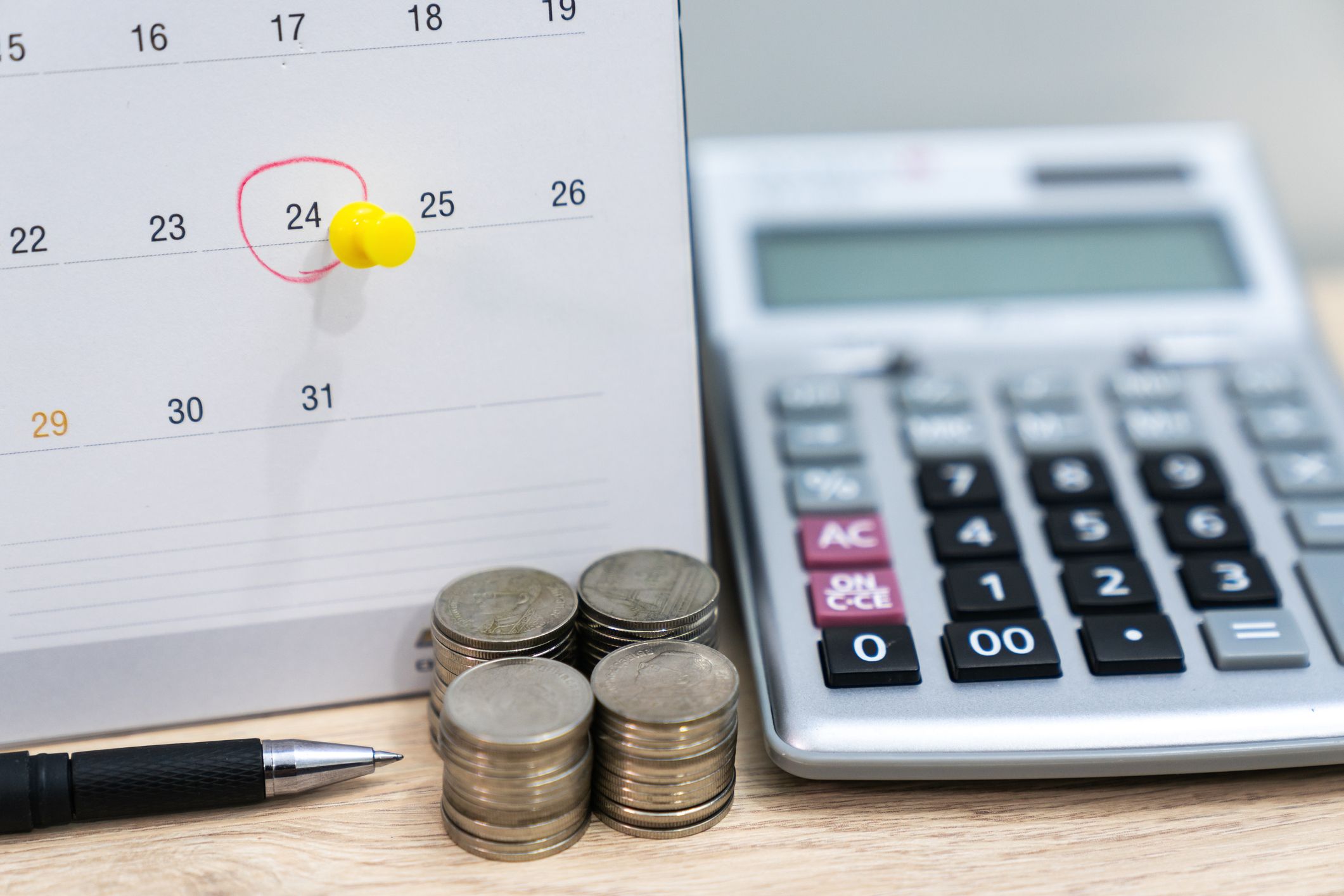

The July 13-17 U.S. calendar gives stock and futures traders a dense macro week. Kiplinger highlights consumer inflation, producer inflation, retail sales, consumer sentiment and Federal Reserve Chair Kevin Warsh’s congressional testimony as the main events. That combination can affect rate expectations, equity-index futures, gold, the dollar and crypto risk appetite.
MarketWatch’s futures board shows why the calendar matters before the data arrives. It lists E-mini Nasdaq 100, E-mini S&P 500 and E-mini Dow futures alongside gold, silver, WTI and Brent crude. When all of these contracts are moving into the same macro window, the risk is not just a single CPI print. It is the market’s reaction across duration, growth stocks, commodities and risk assets.
A practical plan is to map each trade to a catalyst. CPI and PPI can move rate-sensitive technology and crypto proxies. Retail sales can change the consumer-growth narrative. Fed testimony can reprice the path of policy if language around inflation or financial conditions shifts. Earnings from large banks or technology leaders can then either confirm or challenge the macro move.
For active traders, this is a week to reduce lazy leverage. Futures gaps, overnight data and fast cross-asset correlations can make stop placement harder than usual. Watch whether index futures hold gains after the data, whether gold and the dollar move in opposite or same-direction stress patterns, and whether crypto follows equities or trades on its own flow story.
Sources: Kiplinger economic calendar for July 13-17; MarketWatch futures market data.
Risk notice: Macro-event trading can produce gaps and slippage. This article is educational commentary, not a recommendation to trade any contract.
原创文章,作者:financial transaction,如若转载,请注明出处:https://www.fanbi.net/archives/2859