
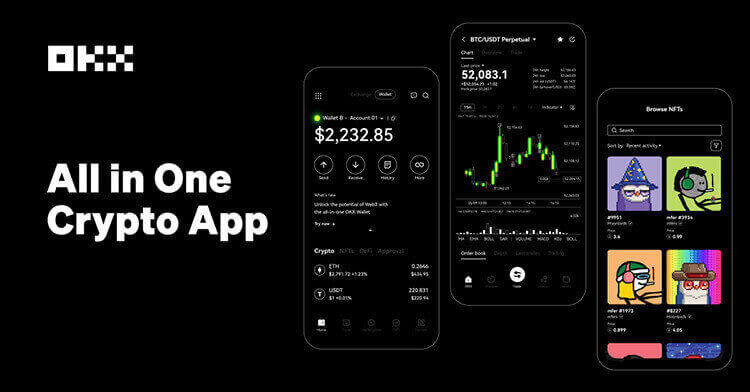


Take-profit and stop-loss orders are among the most useful tools in a trading app, but they are often misunderstood. OKX explains that TP/SL is a conditional order: traders set a trigger price and an order price, and the system submits the preset order when the selected trigger source reaches the trigger level. Binance similarly describes TP/SL as a way to attach profit-taking and loss-limiting logic when placing an order.
The first decision is the trigger source. Last price may react fastest to traded market prints, mark price is usually designed to reduce manipulation risk in derivatives, and index price reflects an external reference basket. A trader who chooses last price for speed should accept more noise. A trader who chooses mark price should accept that the visible last trade may touch a level before the stop triggers.
The second decision is execution style. A market stop is more likely to close the position but may suffer slippage. A limit stop controls price but may fail to fill in fast markets. For leveraged futures, the stop should not sit too close to the estimated liquidation price, because a stop that triggers after liquidation pressure begins may no longer be a useful risk tool.
A clean workflow is to define invalidation first, then position size, then TP/SL settings. If the invalidation point requires a loss larger than the account plan allows, reduce size or skip the trade. TP/SL should enforce the plan that already exists, not rescue a trade that was oversized from the start.
Sources: OKX Help on stop-loss and take-profit orders; Binance FAQ on TP/SL orders.
Risk notice: Conditional orders can fail to fill at expected prices during volatility, outages or thin liquidity. This guide is educational and not personalized trading advice.
原创文章,作者:financial transaction,如若转载,请注明出处:https://www.fanbi.net/archives/2809

