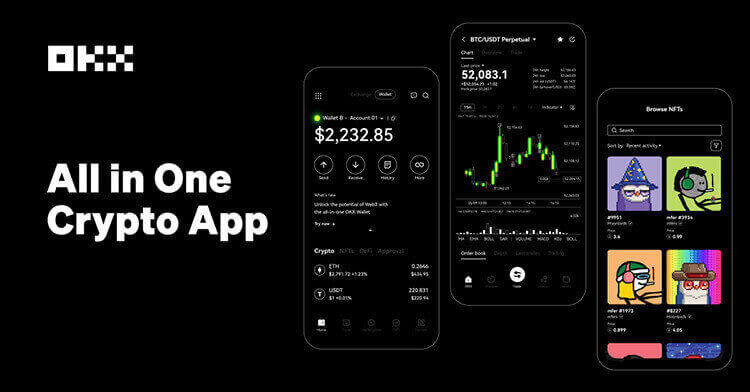
Many exchange apps now place a simple Convert button next to full spot trading. OKX explains that Convert uses a quoted-price model rather than a traditional order-matching model, while spot trading lets users place market and limit orders against live market prices. That distinction is more important than the interface design suggests.
Convert is useful when the main goal is certainty and speed: moving a small balance from one token to another, cleaning up holdings, or swapping into a stablecoin without managing an order book. The trade-off is that the quoted price may include a spread, and the user gives up control over maker fees, limit placement, and partial execution.
Spot trading is better when price control matters. A limit order can define the maximum buy price or minimum sell price, while the order book shows depth and liquidity. The cost is complexity: traders must understand maker and taker fees, minimum order sizes, open orders, missed fills, and the risk that a market order sweeps through thin liquidity.
A practical rule is to use Convert for small, time-sensitive, low-analysis swaps, then use spot trading when the trade size, price level, or fee difference is meaningful. Before confirming either route, compare the previewed Convert quote with the live bid-ask spread and decide whether convenience is worth the hidden execution cost.
Sources: OKX Convert guide; OKX Simple Buy/Sell versus spot guide; Coinbase order-book explainer.
Risk notice: This article is educational and is not official customer support. Fees, spreads, available products, and order types vary by exchange and region.
原创文章,作者:financial transaction,如若转载,请注明出处:https://www.fanbi.net/archives/2661