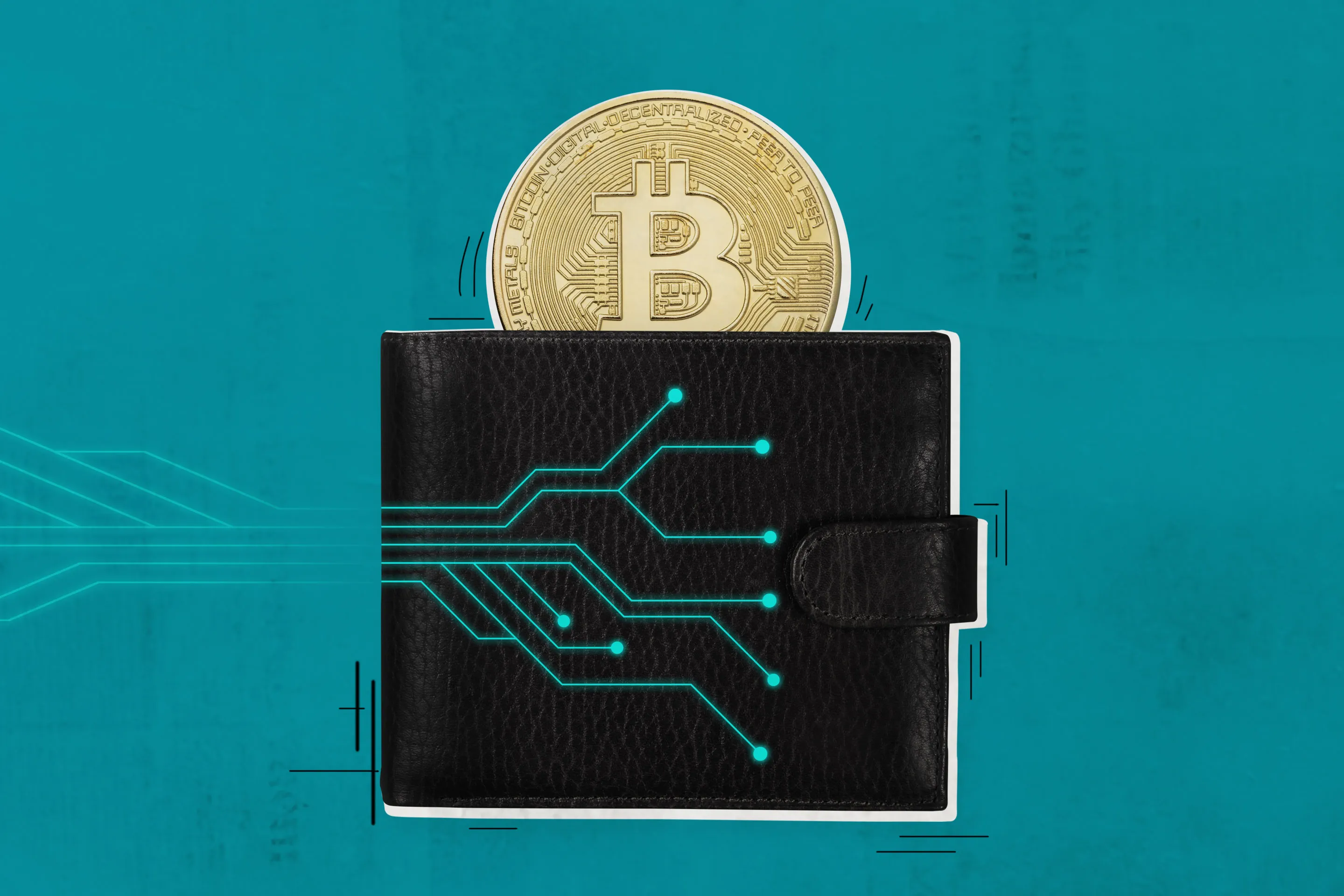
Best-wallet lists can help narrow the field, but they should not be read like a universal leaderboard. Money.com’s July 2026 wallet list highlights different winners across overall use, beginner access, mobile wallets, Bitcoin-focused storage and hardware devices. That is the right way to think about the category: a wallet is a workflow tool, not just a brand name.
A beginner who wants simple mobile access has different needs from a trader signing DeFi transactions every day. A Bitcoin-only saver may care more about address management and cold storage. A cross-chain user needs network support, token visibility and transaction simulation. A hardware-wallet user should care about official supply chain, firmware updates and recovery discipline.
The comparison checklist should include custody model, supported chains, fee display, transaction preview, hardware-wallet support, backup process, phishing warnings, browser-extension permissions and customer-support boundaries. Traders should also check whether the wallet is for storage, active trading, swaps, NFTs or DeFi approvals. One wallet can be excellent for one job and weak for another.
The practical conclusion is to use layers. Keep small operating funds in a convenient wallet, test new protocols with a separate wallet, and keep long-term holdings away from daily signing. Ranking tables are a starting point; wallet separation is the risk control.
Sources: Money.com best crypto wallets of July 2026; Binance Academy wallet setup guide; OKX Wallet guide.
Risk notice: This article is educational only. Wallet rankings, app availability and security features can change, and self-custody mistakes may be irreversible.
原创文章,作者:financial transaction,如若转载,请注明出处:https://www.fanbi.net/archives/2587