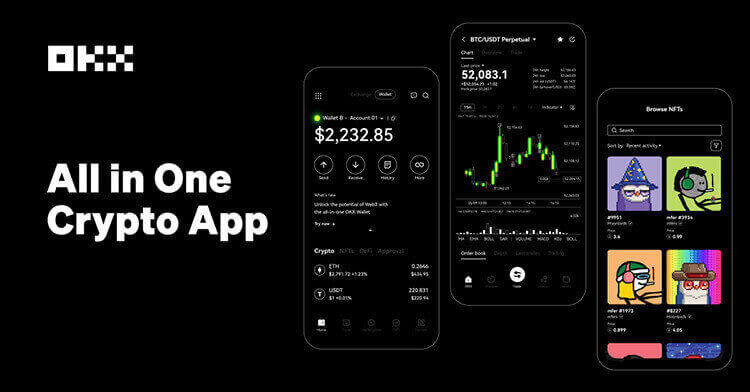
Subaccounts are becoming a practical tool for active crypto traders who run more than one strategy. Binance’s support page describes sub-account functions for users who meet eligibility requirements, OKX explains subaccounts together with account mode and API connections, and Kraken’s API discussion frames subaccounts and API keys as two different layers of separation. The common idea is organization: separate activity before it becomes impossible to audit.
The benefit is clearest for traders who mix spot holdings, futures experiments, bots and manual trades. A subaccount can hold a defined capital sleeve, maintain its own trading history and keep one strategy from hiding the performance of another. For teams or advanced users, it also helps distinguish who or what is allowed to trade.
But a subaccount is not a magic firewall. If the master account is compromised, if API keys have withdrawal permissions, or if a bot is allowed to overtrade futures, the structure may only make the loss easier to label after the fact. Traders should treat each subaccount as a risk budget: fund it deliberately, set only the required permissions, rotate or revoke API keys when a strategy is retired, and review whether transfers between accounts require extra approval.
The clean workflow is to decide the purpose before creating the account. A market-making bot, a copy-trading experiment, a long-term spot vault and a manual futures account should not share the same operational rules. The more clearly the role is defined, the easier it is to notice abnormal activity.
Sources: Binance sub-account FAQ; OKX subaccounts and API FAQ; Kraken Blog on subaccounts and API keys.
Risk notice: This article is educational and not official account-support guidance. Product availability, permissions and account rules vary by region and user eligibility.
原创文章,作者:financial transaction,如若转载,请注明出处:https://www.fanbi.net/archives/2559