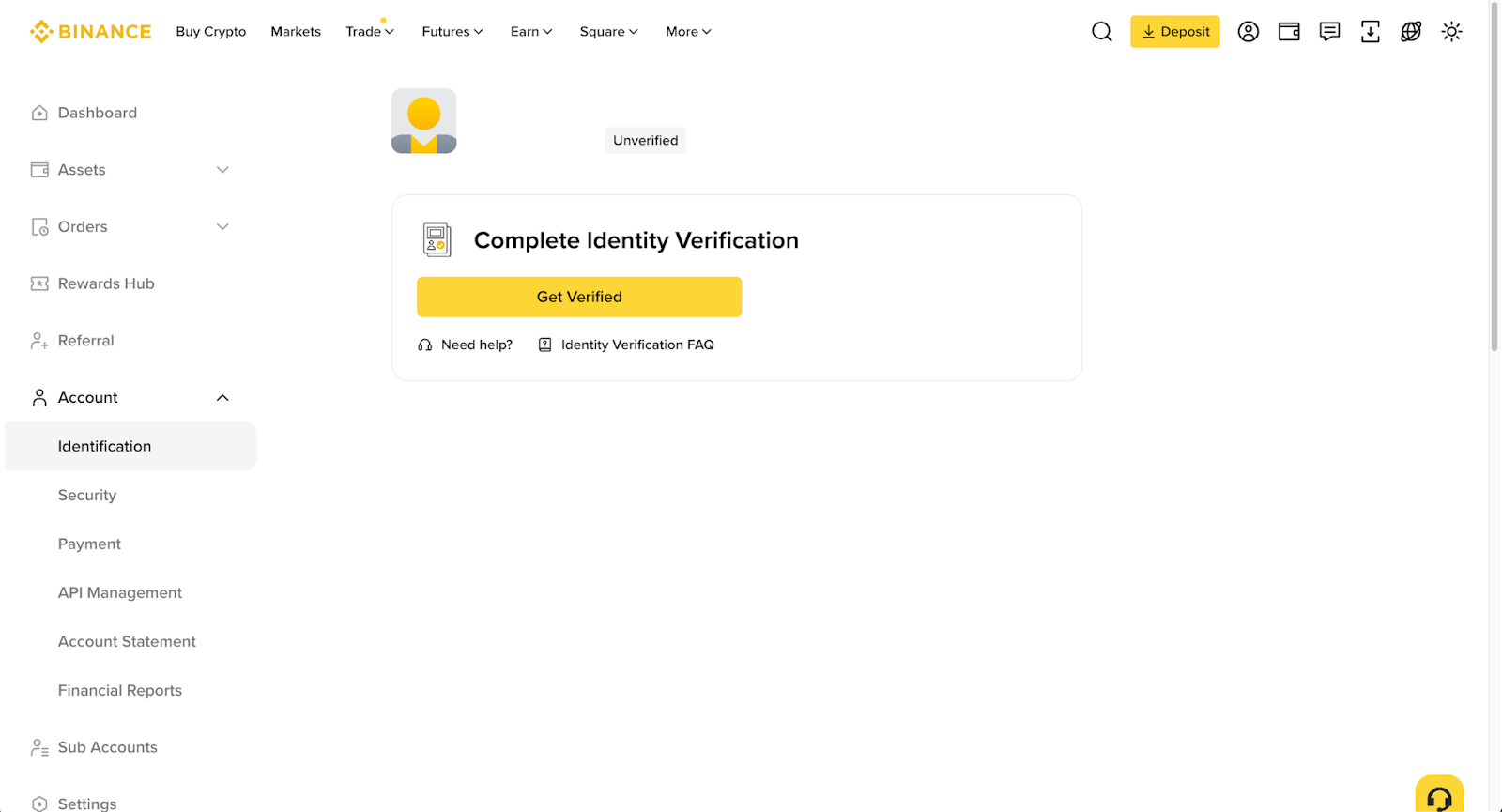
Exchange comparisons usually start with fees, supported tokens, and liquidity. Those are important, but traders should also compare incident communication. Coinbase’s status page separates products such as website, mobile, Advanced Trade, derivatives, API, wallet, and Base services. Kraken’s page separates website, apps, derivatives, equities, user interface, and many individual asset networks. Binance provides a deposit and withdrawal status page by coin and network.
This matters because a platform can be partly operational and still unusable for one trader’s workflow. Spot trading may work while a specific token network is paused. The mobile app may be operational while an API strategy is affected. A futures market may be open while fiat rails are delayed.
A practical comparison should ask four questions. Does the exchange break status down by product and network? Does it keep incident history? Does it say whether funds are affected, or only that a service is degraded? Does it update timestamps clearly enough for a trader to decide whether to wait, switch venue, or reduce exposure?
The best status page is not the one that never shows problems. Markets and blockchains have incidents. The better signal is whether the exchange gives granular, timely, and understandable updates when something breaks.
Risk notice: This article is for exchange-evaluation education only. Platform availability can change quickly, and using multiple venues introduces its own security, compliance, and operational risks.
Sources
原创文章,作者:financial transaction,如若转载,请注明出处:https://www.fanbi.net/archives/2200