:max_bytes(150000):strip_icc()/GettyImages-2285358502-e9dba708677642afa05e8db1dc3c42c2.jpg)
U.S. futures were mixed before the July 10 open, according to Investopedia, with the Dow pointing slightly higher while S&P 500 and Nasdaq futures leaned softer. That kind of setup is easy to misread: a flat index does not mean a flat trading day.
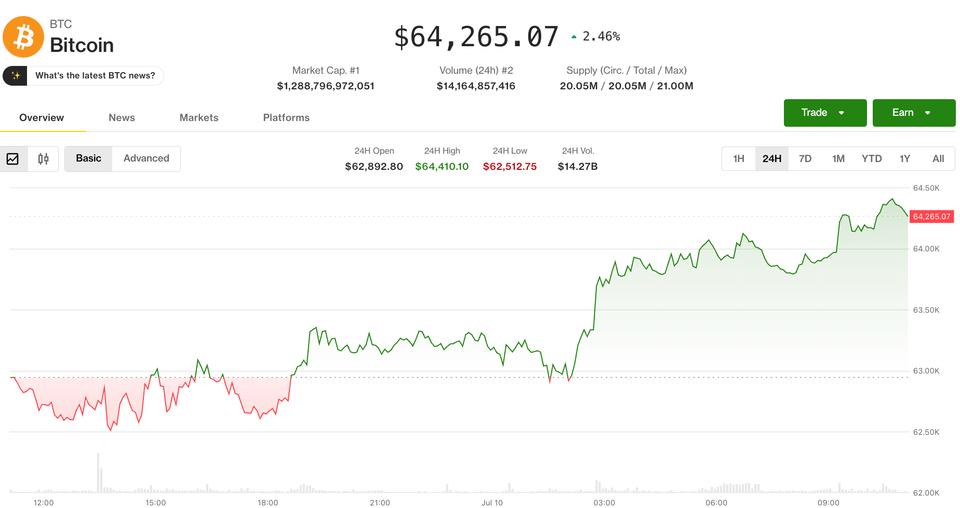
The catalyst map looked busy. Investopedia highlighted oil strength tied to geopolitical tension, bitcoin’s rebound, SK Hynix’s U.S. listing, Delta’s earnings beat but cautious share reaction, and a large WD-40 move after guidance. Barron’s also framed the day as one where stocks were directionless at the index level while individual stories carried the tape.
For index-futures traders, the lesson is to separate beta from event risk. A Nasdaq futures dip may reflect AI-chip pressure, while a Dow bid can come from different sector exposure. Meanwhile, single stocks can gap on earnings, listings, regulatory news, or guidance even if the broader benchmark is indecisive.
The practical approach is to build a premarket map before opening a position: identify the macro driver, the sector driver, and the single-name catalyst. If those three point in different directions, position size should usually be smaller and stop placement should allow for headline noise.
Risk notice: This article is for market education only. Futures and single-stock trading can involve fast losses, gap risk and liquidity risk. It is not a recommendation to trade any security.
Sources: Investopedia July 10 premarket briefing; Barron’s July 10 stock movers; MarketWatch U.S. economic calendar.
原创文章,作者:financial transaction,如若转载,请注明出处:https://www.fanbi.net/archives/2141