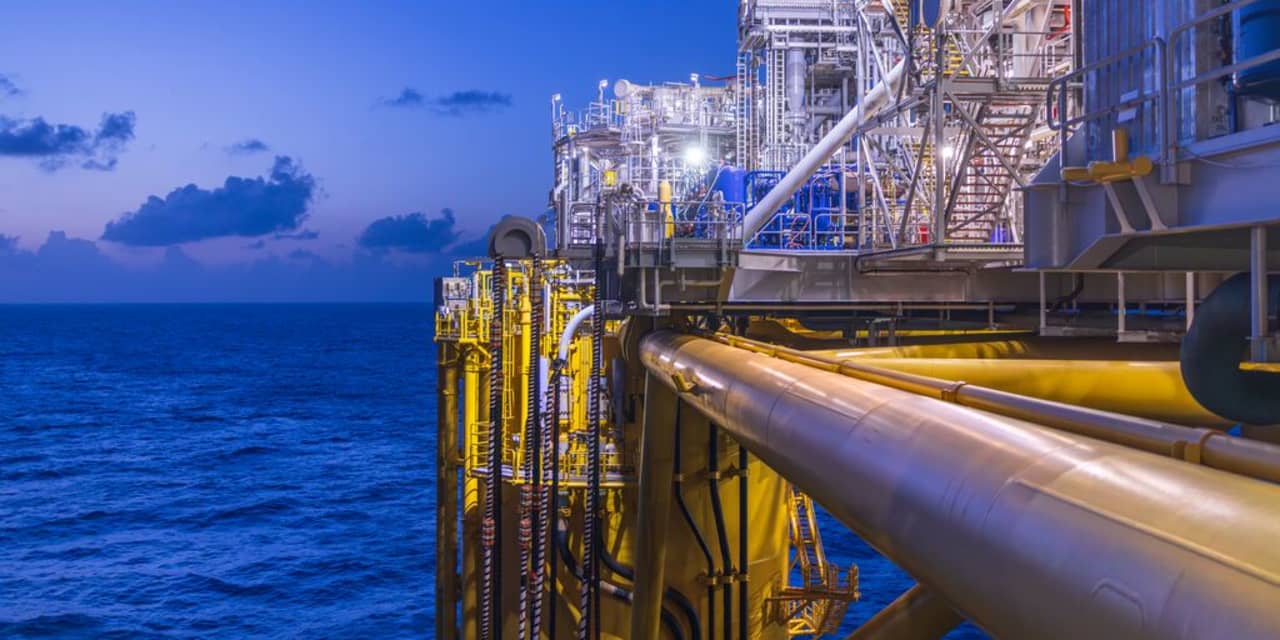
The AI equity trade is no longer only about software, hyperscalers and the most visible semiconductor winners. MarketWatch reported that Goldman Sachs is framing the next phase around a HALO basket: heavy assets, low obsolescence. The idea is that companies with scarce physical assets, high replacement costs and real barriers to entry may keep attracting capital as AI spending spreads through infrastructure, energy, materials, aerospace and complex manufacturing.
For stock-index and sector traders, this is a different signal from the simple ‘buy every AI stock’ playbook. If capital expenditure is flowing into data centers, power grids, chips, cooling equipment and defense supply chains, leadership can rotate away from the most crowded momentum names and toward value-like companies with physical capacity. That can change breadth, factor performance and the way Nasdaq futures react to earnings headlines.
The risk is that a good macro theme can still become a crowded trade. A hard-asset company may have better barriers to entry, but it can also carry cyclicality, debt, commodity sensitivity, project delays and valuation risk. If oil shocks or bond yields rise at the same time, the market may reward some infrastructure names while punishing companies whose financing costs are too high.
A practical futures workflow is to separate theme from timing. Watch whether equal-weight indexes, industrials, utilities, materials and defense names confirm the move, instead of relying only on megacap technology. Then size positions with the assumption that AI-linked rotations can reverse sharply around earnings, guidance and rate surprises.
Sources: MarketWatch on Goldman Sachs’ HALO trade; Fidelity AI investing outlook; TradingView DRAM ETF market page.
Risk notice: This article is for market education only and is not investment advice. Crypto, stocks, ETFs and futures can move quickly, and leverage can magnify losses.
原创文章,作者:financial transaction,如若转载,请注明出处:https://www.fanbi.net/archives/1579