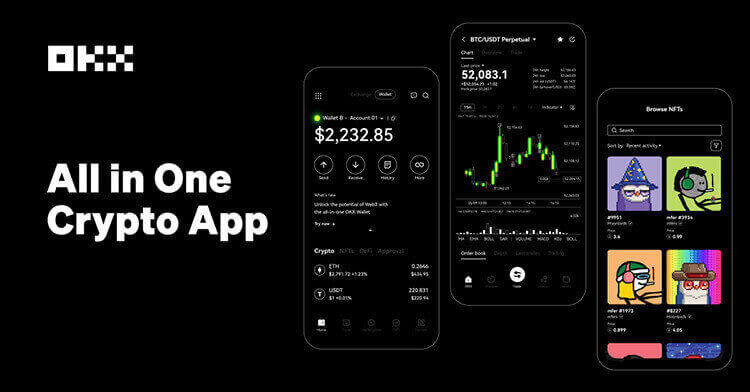
Crypto futures apps often ask traders to choose between one-way mode and hedge mode, but the setting is easy to ignore until an order behaves differently than expected. OKX explains that hedge mode lets derivatives users hold long and short positions at the same time, while one-way mode keeps a single net direction.
The difference is practical. In one-way mode, placing an opposite-side order usually reduces, closes, or flips the existing position. In hedge mode, the same opposite-side order may open a separate position. That can be useful for event hedging, but it can also double margin usage if the trader expected a simple close.
Before switching modes, check three items: whether the exchange requires no open positions, whether the setting applies account-wide or per symbol, and whether TP/SL orders need to be reset. Altrady and Bitget both emphasize that hedge mode manages long and short sides separately, which makes record-keeping and liquidation monitoring more complex.
A cautious workflow is to decide the position mode before entering the first trade, place a small test order if the interface is unfamiliar, and label the strategy clearly: net directional trade, temporary hedge, basis trade, or staged exit. Do not use hedge mode just because it sounds safer; two opposing positions can still lose money through fees, funding and poor execution.
Sources: OKX hedge-mode help page; Altrady hedge-mode explainer; Bitget one-way and hedge-mode guide.
Risk notice: This guide is educational and is not official customer support for any exchange. Always confirm the current interface, fees, funding rules and liquidation logic inside your own account before trading.
原创文章,作者:financial transaction,如若转载,请注明出处:https://www.fanbi.net/archives/1533