
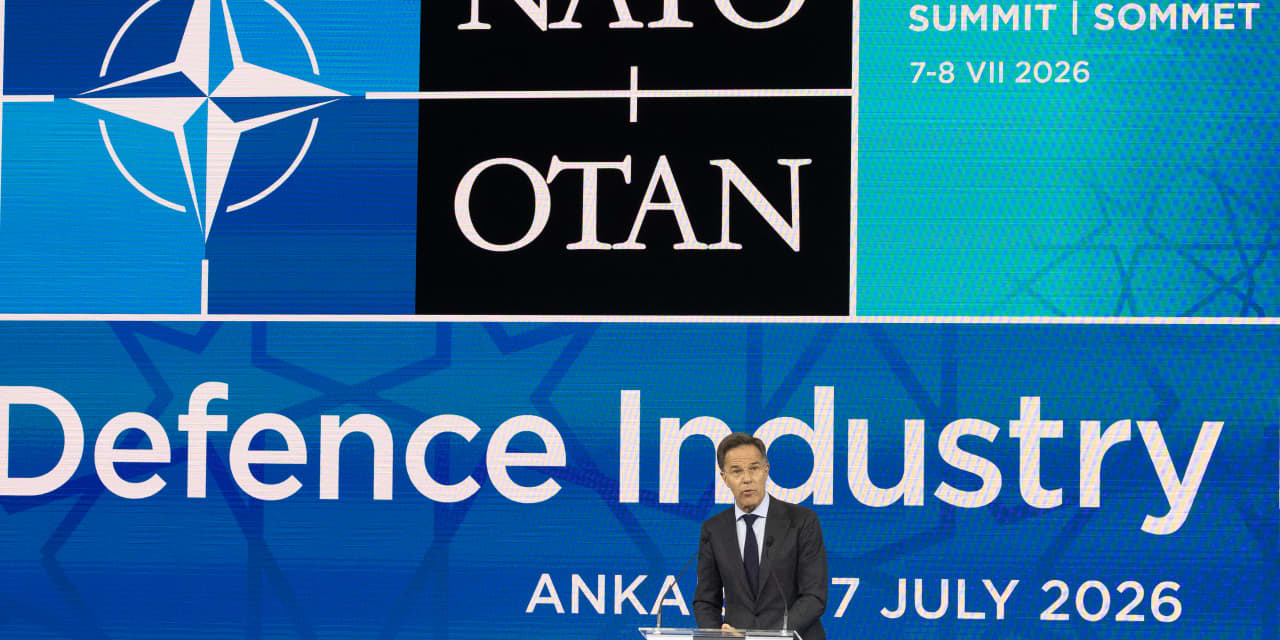
MarketWatch reported that NATO leaders in Ankara unveiled billions of dollars of defense-related commitments, including surveillance aircraft and drone contracts, while investors questioned whether suppliers can deliver on time. The report highlighted a familiar tension in defense stocks: demand can be visible, but labor, supply chain and production capacity determine when revenue and cash flow arrive.
For traders, this matters because a contract headline is not the same thing as earnings. Defense companies and aerospace suppliers often trade on multi-year backlogs, budget politics and margin expectations. If the market has already priced in rising NATO spending, a new order announcement may produce less upside than expected if investors worry about execution bottlenecks.
The ETF angle is also important. A defense ETF can spread company-specific risk, but it may still be crowded if the whole theme has already rallied. Traders should compare price performance with order intake, backlog conversion, free cash flow guidance and whether exposure is concentrated in a few large contractors.
A practical watchlist for the next earnings season: book-to-bill ratios, management comments on capacity, hiring and subcontractors, delivery schedules, margin pressure from fixed-price contracts, and whether government-budget headlines translate into funded orders.
Sources: MarketWatch NATO defense deals; MarketWatch NATO ETF page.
Risk notice: This article is for market education only. Defense stocks and ETFs can be affected by politics, budget cycles, valuation and execution risk.
原创文章,作者:financial transaction,如若转载,请注明出处:https://www.fanbi.net/archives/1488

