Exchange security is not only about choosing a large platform. The settings inside the account matter because many losses happen after a user approves a fake link, exposes a login code or leaves withdrawals open to any new address. The goal is to add friction before funds leave, while keeping daily trading workable.
Start with authentication. Binance Academy’s June 2026 account-security guide recommends a strong unique password, two-factor authentication, hardware security keys where suitable, device review and withdrawal address management. OKX also points users toward passkeys, anti-phishing codes and layered account checks in its security guide. For most users, an authenticator app or passkey is stronger than relying only on SMS.
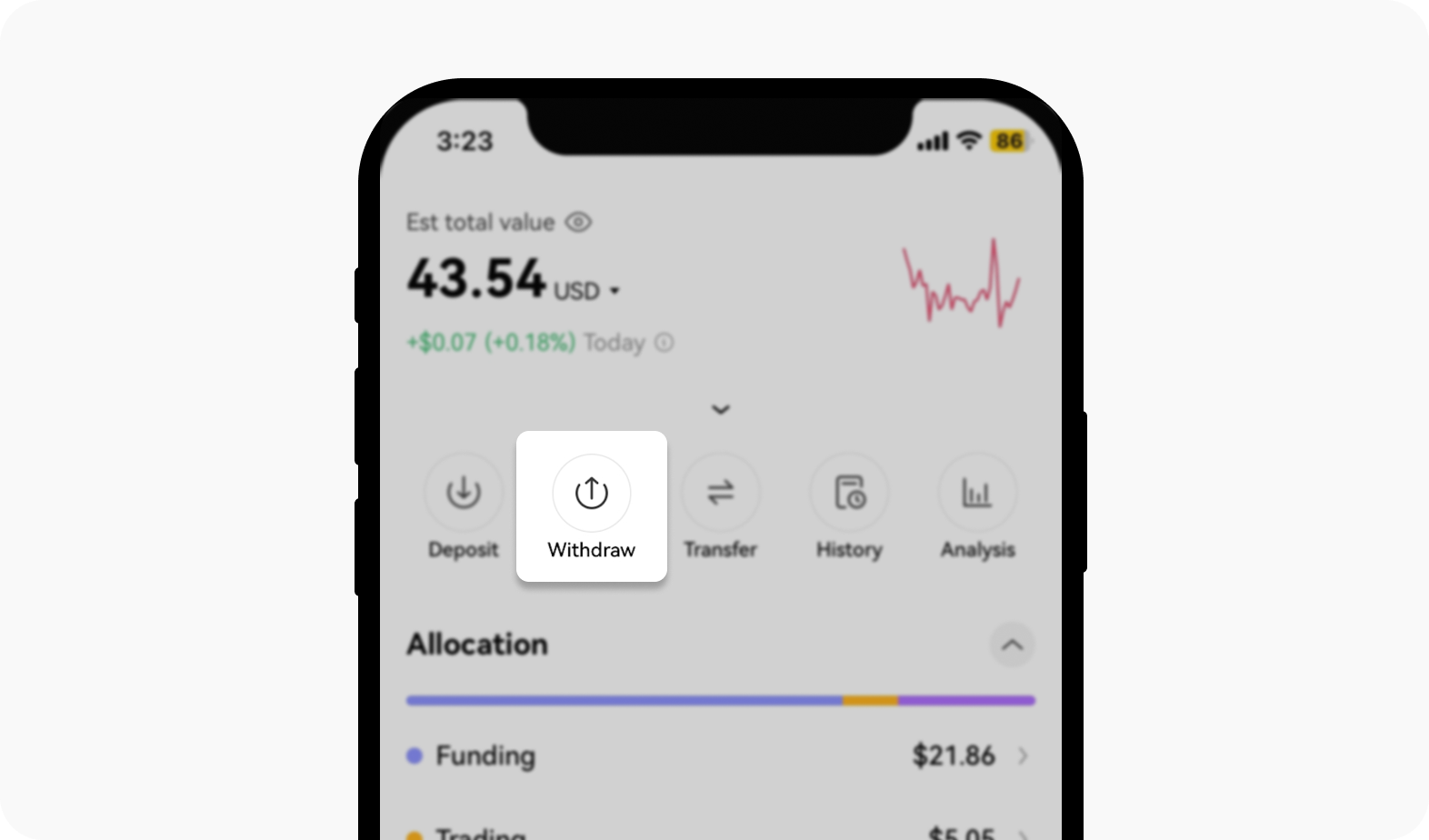
The most important withdrawal control is an address allowlist. Coinbase describes allowlisting as a feature that limits sends to addresses in the address book and says newly added addresses become available after a waiting period. OKX’s app guide says that when allowlist mode is enabled, withdrawals can only go to addresses in the address book, and its new-address withdrawal lock can block withdrawals to newly added allowlist addresses for 24 hours.
Use this workflow before moving size: first, verify the exchange domain from a saved bookmark; second, review logged-in devices and remove anything unfamiliar; third, enable authenticator 2FA or passkey; fourth, set an anti-phishing code so official emails are easier to identify; fifth, add only your own wallet or custodial destination addresses to the allowlist; sixth, send a small test withdrawal before transferring a larger balance.
Do not treat no-verification addresses as a convenience setting for every wallet. They can reduce repeated friction, but they also raise the cost of a mistake if your device, email or account session is compromised. For active traders, the better split is to keep trading capital on-platform, move long-term holdings to storage you control, and use allowlists for the few withdrawal destinations you actually use.
Risk notice: This tutorial is educational and is not official customer support. Always check the latest settings inside your own exchange app before relying on any security workflow.
Sources: Binance Academy account-security guide; OKX allowlist app guide; Coinbase address book allowlist; OKX account-security guide.
原创文章,作者:financial transaction,如若转载,请注明出处:https://www.fanbi.net/archives/1014