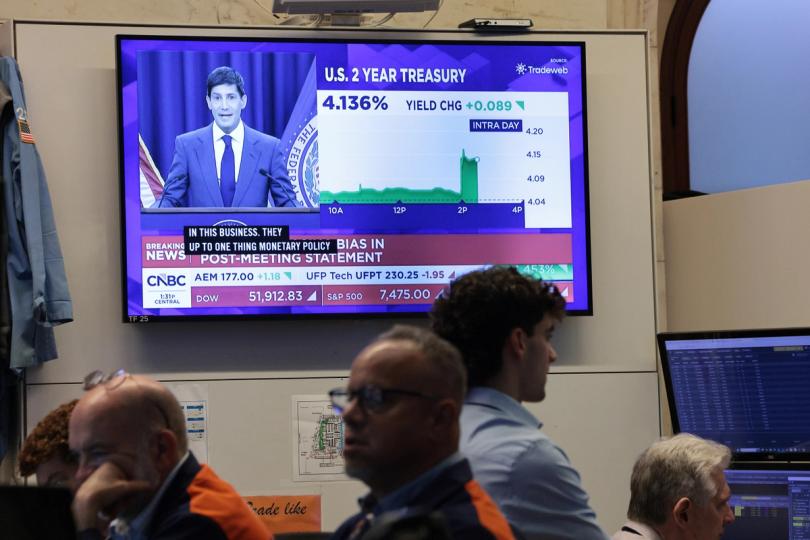

U.S. index traders are entering the new week with two linked risks: a weaker semiconductor tape and a market still sensitive to Middle East oil headlines. AP’s July 17 market recap showed the Nasdaq underperforming as AI-linked chip weakness weighed on the broader tape, while market reports also flagged higher oil prices and upcoming tech earnings as major catalysts.
For Nasdaq futures, the key is breadth. A futures contract can look stable even while leadership narrows, because strength in a few mega-cap names may offset weakness elsewhere. That is useful for hedgers, but dangerous for traders who assume a green futures quote means the whole growth trade has recovered.
A practical futures plan should compare the Nasdaq-100 with S&P 500 futures, semiconductor leaders, Treasury yields and crude oil. If energy inflation pressure rises while chip stocks fail to reclaim prior support, the index can become vulnerable to fast intraday rotations. If breadth improves and earnings guidance supports margins, pullbacks may become more orderly.
The cautious takeaway is to size around event risk rather than headline direction. Futures allow fast adjustment, but that speed can amplify losses when a concentrated sector drives the index.
Sources: AP market recap for July 17, 2026; MarketWatch on oil, stock futures and earnings catalysts; CME E-mini Nasdaq-100 futures.
Risk notice: Index futures are leveraged products and can gap around geopolitical headlines, earnings and macro data. This article is educational only.
原创文章,作者:financial transaction,如若转载,请注明出处:https://www.fanbi.net/archives/3875